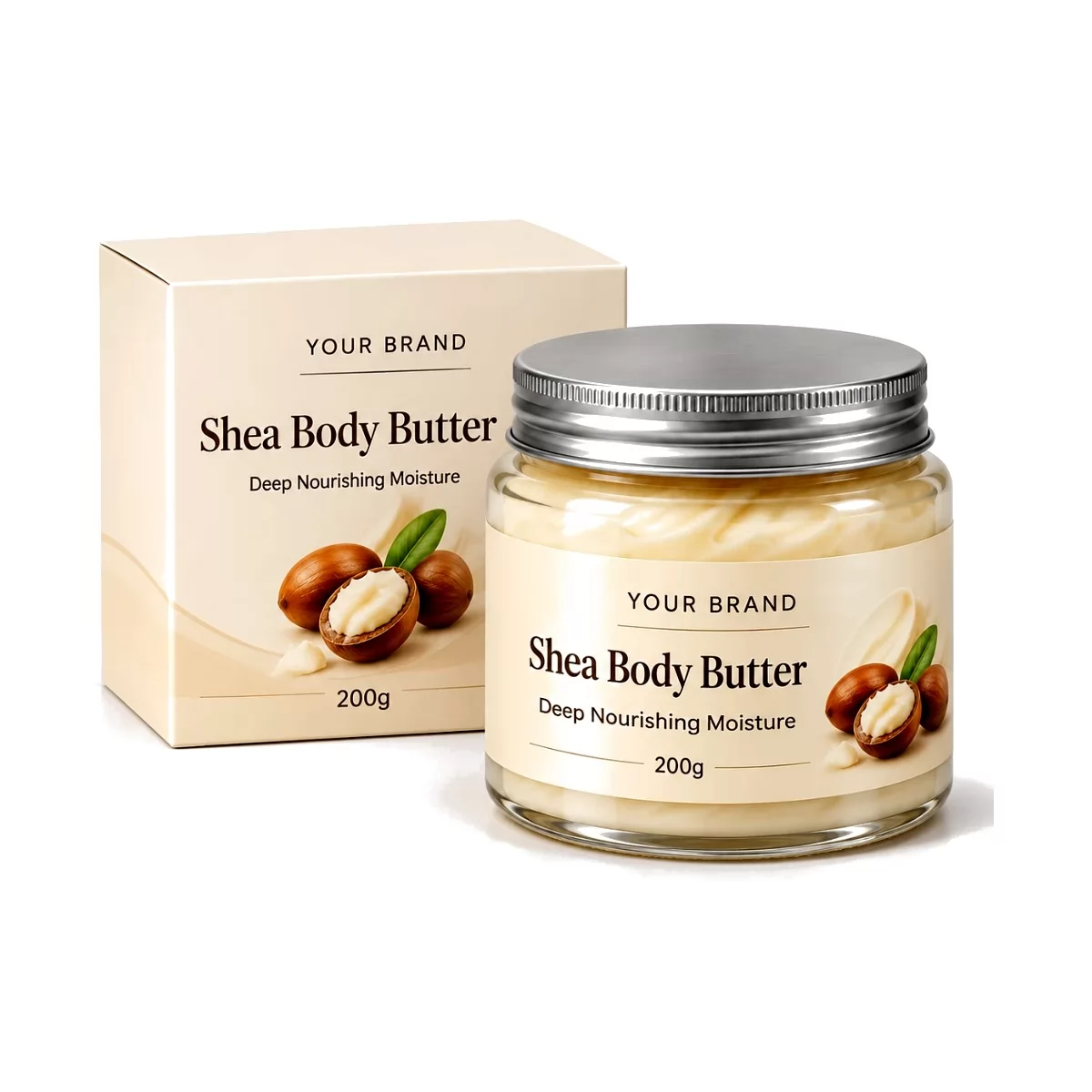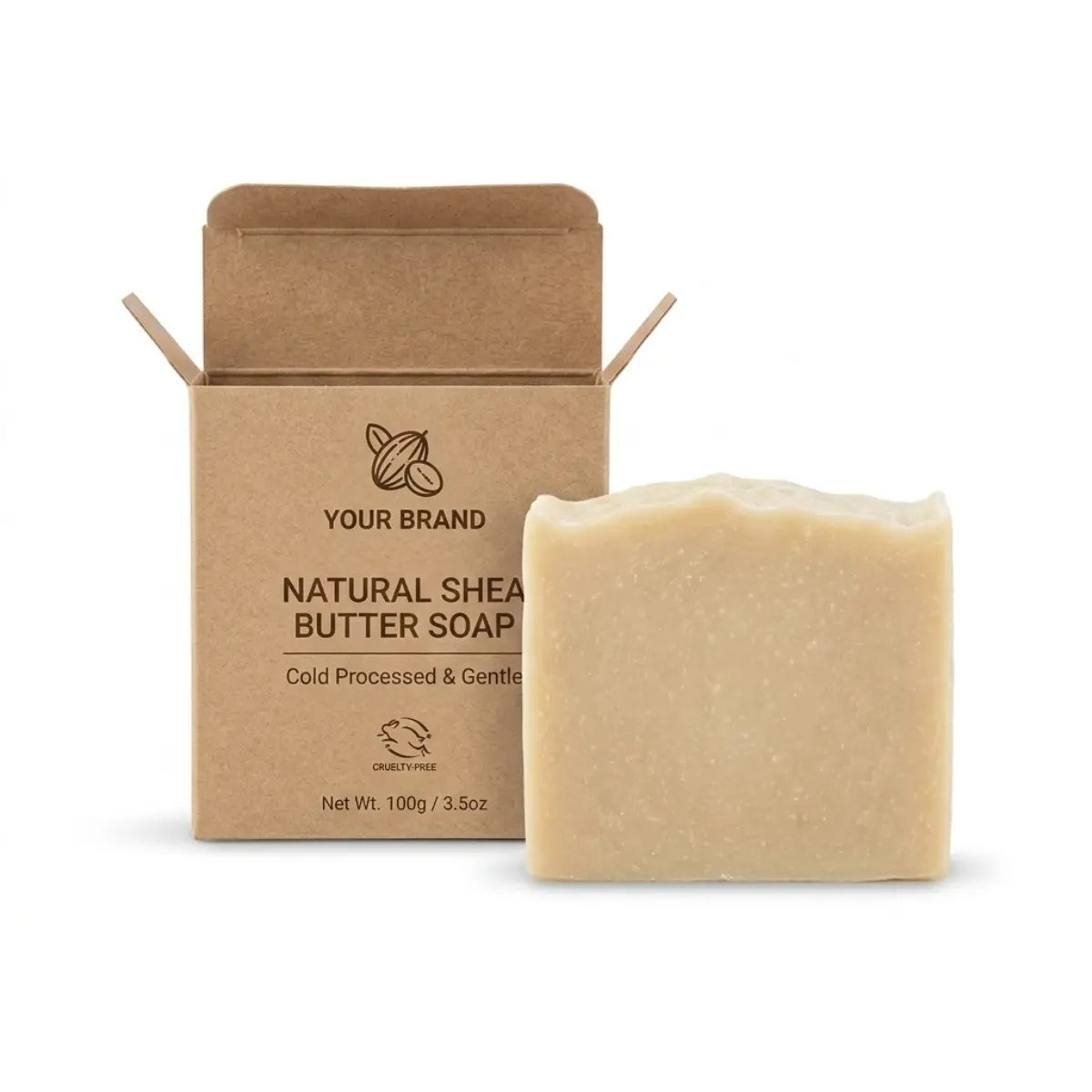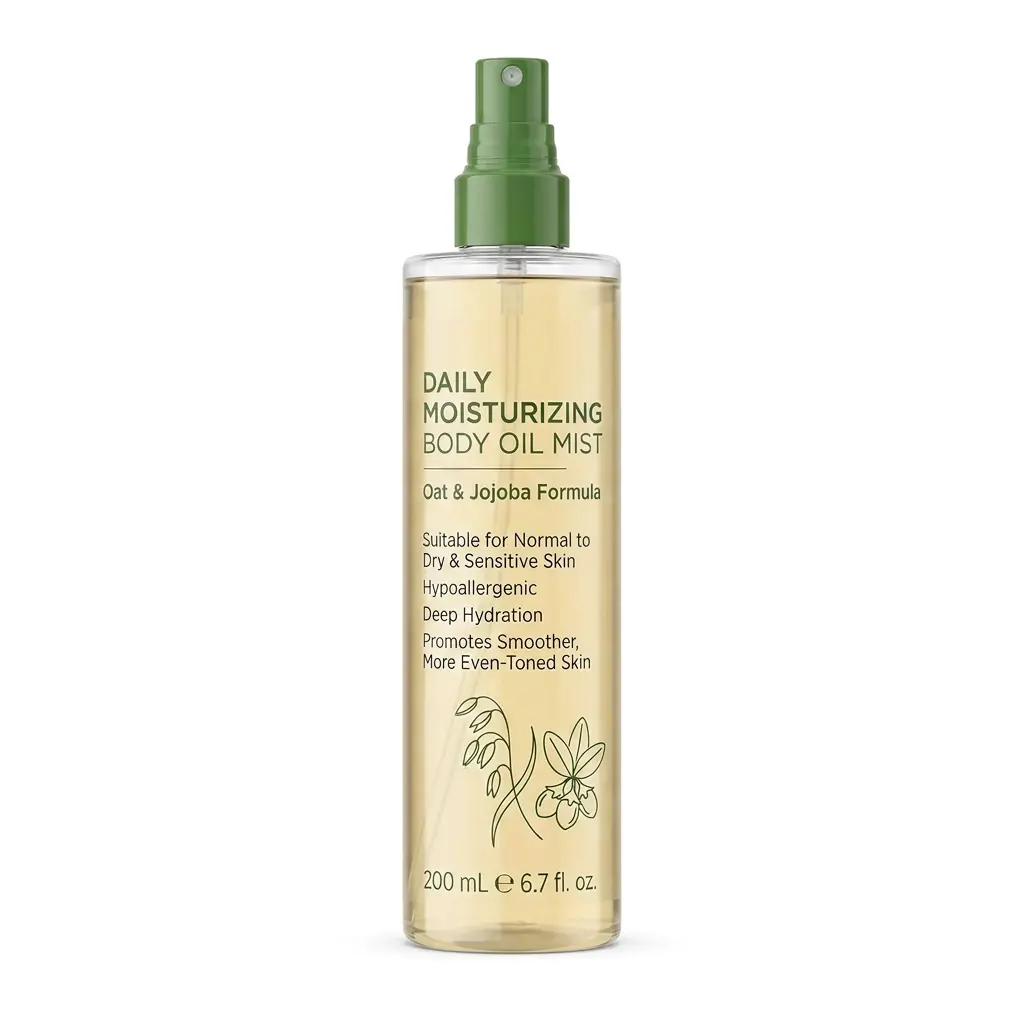

That thick tub on the bathroom shelf, the one you use on elbows and heels, will sooner or later end up on your cheeks, and the question of whether body butter can be used on face skin deserves a better answer than "just don't." It is not a disaster for everyone. But "it's only moisturizer" is too simple too. Below: a verdict by skin type, and a safe way to test it.
Short Answer: Sometimes, but Not for Every Face
Body butter can be used on the face by some people, mainly on dry patches and in a thin layer, but it is not a replacement for a facial moisturizer. The result depends on four things: your skin type, the ingredient list, the amount of fragrance, and how heavy the formula is. If your skin is oily, breakout-prone or easily irritated, the answer shifts to no.
Dry, steady skin on the cheeks in winter is the most workable case. Skin around the nose, forehead and chin tends to be oilier, so a rich butter there often feels heavy. And the eye area is a separate matter, covered below.
Is Body Butter Safe for Face Skin? Where the Risks Come From
Facial skin is generally thinner and more reactive than the skin on legs or arms, and it is exposed to weather all day. Products made for the body are not built around that. Trouble usually comes from three places: heavy oils and waxes, fragrance, and extra ingredients such as colorants or shimmer. No product is guaranteed safe for everyone, so a small test matters more than any label claim.
Heavy textures and clogged pores
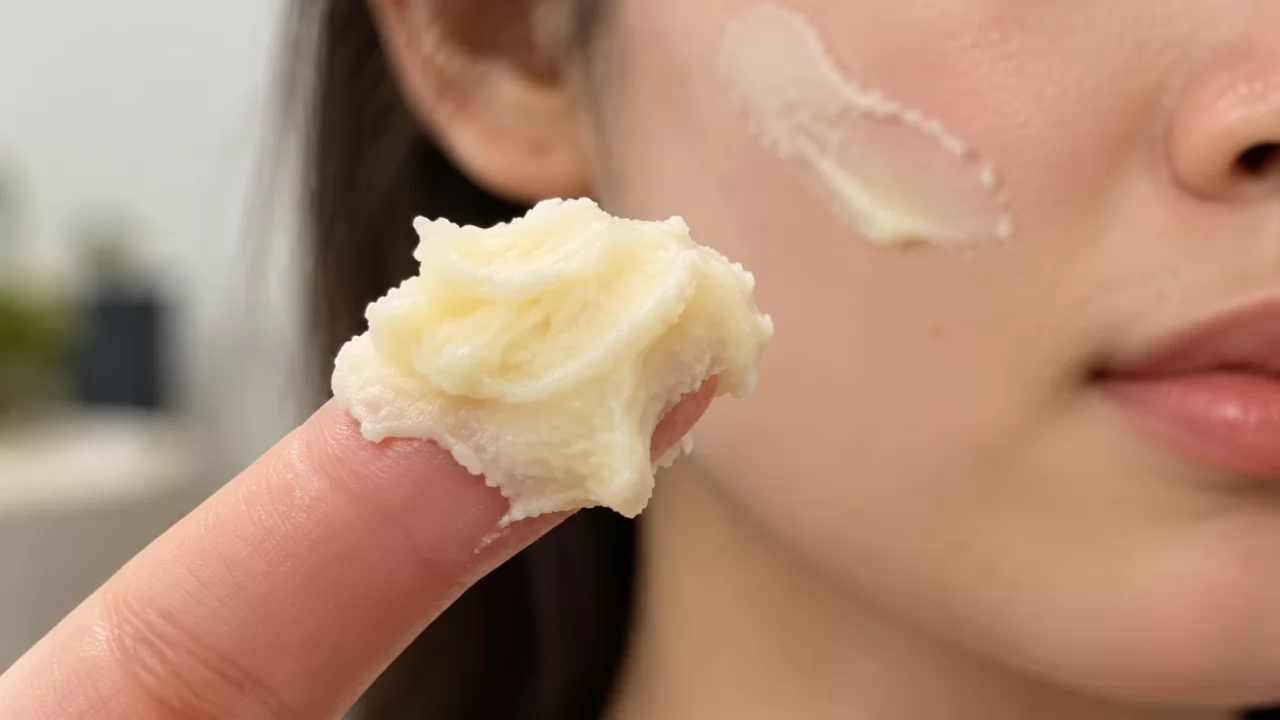
Rich butters and waxes sit on top of the skin and slow water loss, which is why they feel good on a rough knee. On the face, the same film can feel greasy and may not suit oily or breakout-prone skin. Some products are labelled "non-comedogenic", meaning the formula is designed not to block pores. It is a manufacturer's label, not a guarantee, and it is not a regulated test result in every market.
Fragrance and added extras
Scented body products are a common source of irritation on the face. Fragrance blends can contain many components, and some people react to them. Colored or shimmer products add more variables. Around the eyes, where skin is thinnest and products can migrate into the eye, a body product is a poor choice.
The Difference Between Body Butter and Face Cream
Body butter is usually a thick, rich product meant for large areas of skin below the neck. Face cream is typically lighter, made for skin that is exposed, more sensitive and often oilier in places. Formulas vary a lot between brands, so a light body lotion may behave more gently than a heavy "rich" face cream. The label and ingredient list matter more than the product category.
Face products are also usually designed with the eye contour, nose and hairline in mind, and many are tested with the face as the intended area. Body products rarely make that promise.
Body butter vs face moisturizer, side by side
| Feature | Body butter | Face moisturizer |
|---|---|---|
| Texture | Thick, often balm-like | Lighter, cream or lotion |
| Richness | Usually high | Ranges from light to rich |
| Fragrance level | Often noticeably scented | Often lower or fragrance-free |
| Typical packaging | Wide tub or jar | Pump, tube or small jar |
| Intended area | Body, below the neck | Face, sometimes eye area |
Most faces are better served by the right-hand column; the left suits only a narrow set of cases.
Reading the ingredient list (INCI)
INCI stands for International Nomenclature of Cosmetic Ingredients, the standard naming system used on cosmetic labels. Ingredients are listed from highest amount to lowest. Shea butter appears as Butyrospermum parkii butter, and cocoa butter as Theobroma cacao seed butter. Both are rich plant fats that soften the feel of the skin. Plant oils such as sweet almond or jojoba add slip. Glycerin is a humectant, meaning it draws water toward the skin surface. "Parfum" or "fragrance" signals added scent.
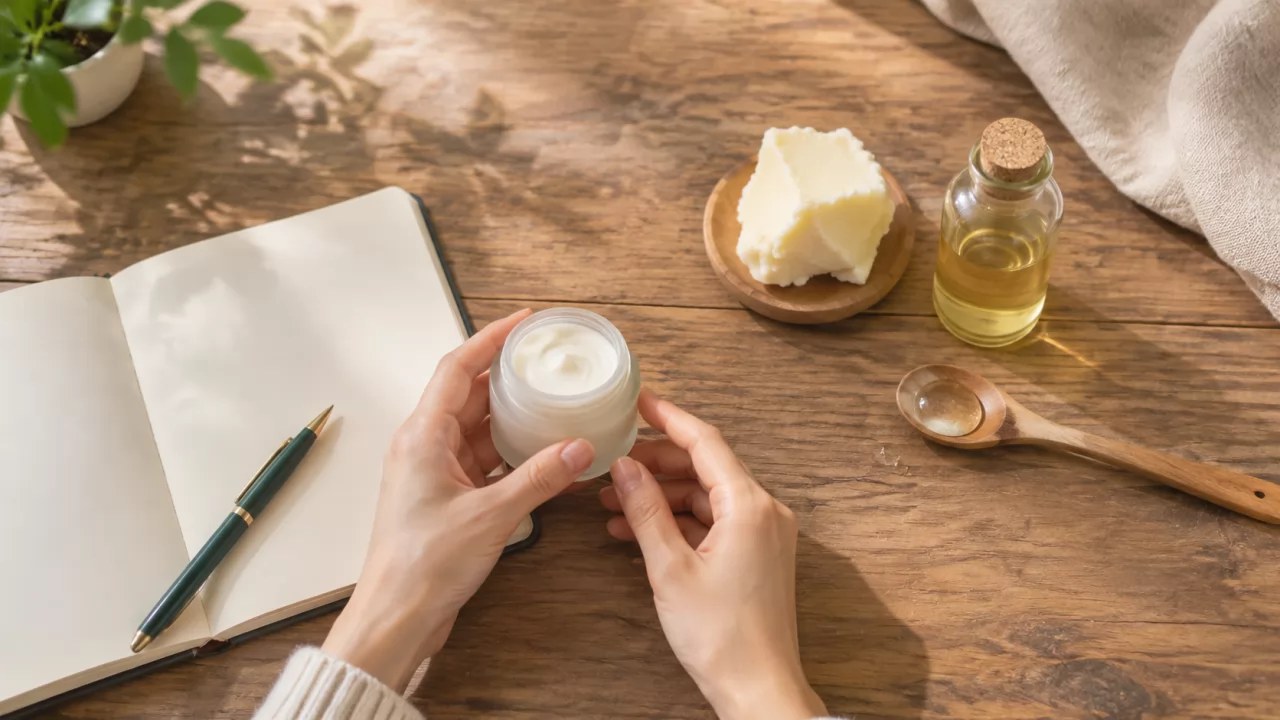
For dry skin, a short list with a butter, an oil and glycerin is easy to judge. A long list with many scent components is harder to rule out if you react.
Mistakes People Make With Body Butter on the Face
"Natural means safe" is the first myth. Plant extracts and essential oils are common triggers of reactions, and the word "natural" has no single legal meaning on most labels. Better: judge the specific ingredients, not the marketing word.
Another: "thicker is better for dry skin." Thick products seal in moisture but add none. Dry skin often needs a humectant plus a light seal, and a heavy layer on top may only cause greasiness or clogged pores. A thin layer works better.
Then there is "if it's gentle on my body, it's gentle on my face." Different skin, different tolerance. And finally, "a small reaction will fade by itself." Sometimes it does. Often it gets worse with daily use. Stop the product and see what happens.
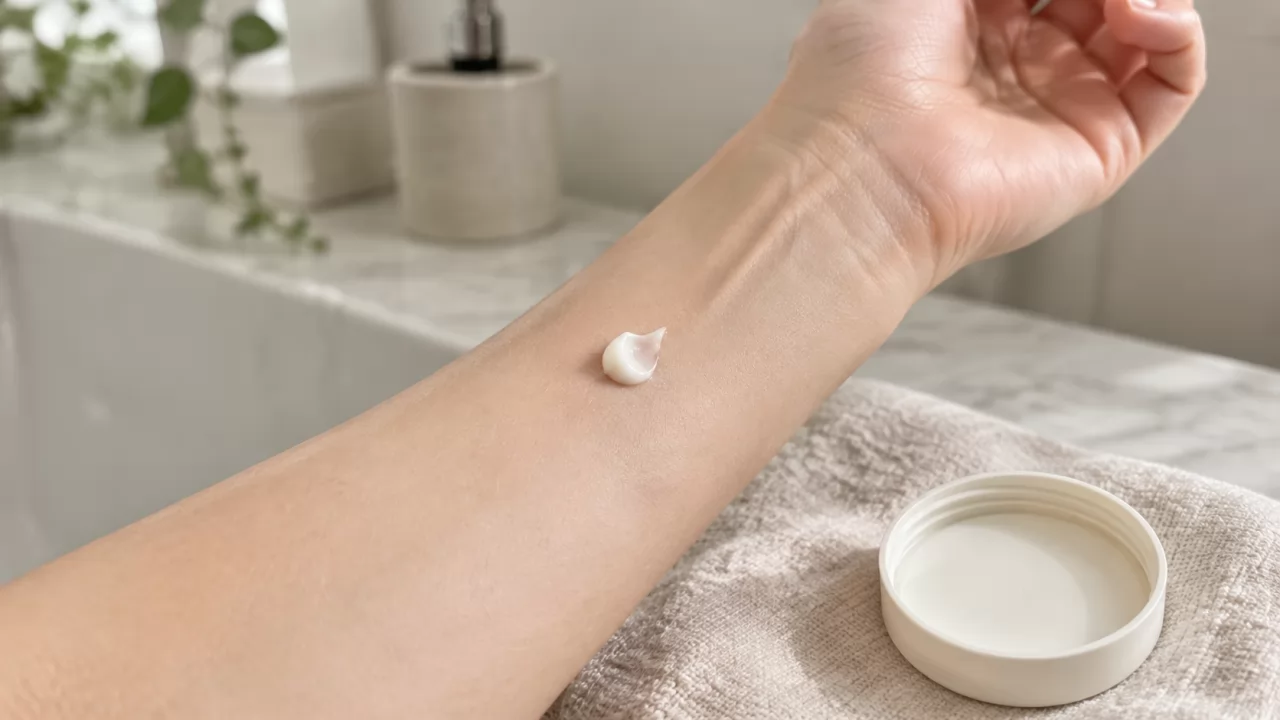
Patch test first. Apply a small amount to the inner forearm or just behind the ear, leave it, and watch it for a day or so. Stop using the product if you see redness, itching, burning or bumps. If skin problems keep coming back, ask a doctor or dermatologist rather than adding more products.
How to Choose a Body Butter You Might Use on Your Face
Start with the ingredient list, because it decides most cases: shorter is easier to assess. Next, fragrance. Fragrance-free or very lightly scented is the safer pick for the face. Third, look for a "non-comedogenic" label, remembering it is a claim, not proof. Fourth, check the texture: if you cannot spread it thinly and evenly, it is too heavy for your face. Last, packaging. A tub you dip fingers into collects bacteria over time more easily than a pump or tube, so keep hands clean and use a clean spatula if possible.
Rule of thumb: if the product is fragrance-free, thin enough to spread, and passes a patch test, it is worth trying on dry cheeks. If any of these fails, buy a facial moisturizer.
A simple way to try it
| Step | What to do | Typical timing |
|---|---|---|
| 1. Patch test | Dab on inner forearm | Give it a day or so |
| 2. Thin layer | Apply to one dry cheek area | Once, in the evening |
| 3. Observe | Check for redness, bumps, greasiness | Next morning |
| 4. Decide | Continue lightly or stop | After a few days |
Stopping at step three is a perfectly good result.
Who should skip the idea
People with oily, acne-prone or reactive skin are better off with a facial product. The same goes for anyone already using prescribed facial treatments, since adding a heavy layer may change how those products behave. Ask the prescriber first.
Why Brands Make Body Butter and Face Cream Differently
Formulators build products for the area of use. A body butter can carry a high share of butters and wax because the skin is thick and the area is large. A face cream needs a lighter feel, careful preservation and often a lower fragrance load. Testing and labelling also differ, since face products are expected to be assessed for facial use. In cosmetic regulation, such as the EU Cosmetics Regulation (EC) No 1223/2009, a safety assessment covers the intended use of the product, which is one reason a body product is not automatically cleared for the face.
Brands that develop private label body butter usually build a separate facial range instead of relabelling one formula. Boymay, which makes personal care products to customer specification, treats them as two projects with different formulas and testing.
If you have a skin concern or product idea in mind, which area of the body or face is it meant for, and is that clear on the label?
FAQ
Q: Can I use body butter on my face overnight?
A: Only with caution. Patch test first, use a thin layer, and skip it if your skin breaks out easily. Wash it off if the skin feels irritated.
Q: Is shea butter the same as body butter?
A: No. Shea butter is one ingredient, a plant fat. Body butter is a finished product that may contain shea butter along with oils, water, preservatives and fragrance.
Q: Can body butter be used around the eyes or lips?
A: Usually no. Skin there is thin and reactive, so use products made for those areas.
Q: What should I use if my face feels tight and dry?
A: A gentle, fragrance-free facial moisturizer is the usual start. If dryness persists or the skin looks inflamed, a doctor or dermatologist can look at the cause.