

Basta percorrer qualquer corredor de produtos de limpeza para as ver: pequenas pastilhas de cores vivas que prometem casas de banho mais frescas com quase nenhum esforço. Coloque uma, acione a descarga e, supostamente, a sua sanita mantém-se impecável durante semanas. Mas será que as pastilhas de limpeza para a sanita funcionam realmente tão bem como a embalagem sugere?
Este guia analisa de forma honesta o que estes produtos realmente fazem, em que aspetos ficam aquém e como utilizá-los em segurança. Sem exageros, sem recomendações de produtos — apenas informação clara para famílias que procuram tomar uma decisão sensata sobre a manutenção da sanita.
Porque é que as Pessoas Estão a Fazer Esta Pergunta
A conveniência é importante. Entre o trabalho, a família e tudo o resto, esfregar a sanita costuma ficar no fim da lista de tarefas. As pastilhas de limpeza para sanita prometem um atalho de baixo esforço, e os conteúdos de limpeza nas redes sociais apenas reforçaram o seu apelo.
Mas os atalhos na limpeza doméstica têm contrapartidas. Antes de colocar uma pastilha no depósito ou na sanita, é útil saber o que estes produtos podem realisticamente alcançar — e o que não podem.
Resposta Curta: As Pastilhas de Limpeza para Sanita Funcionam?
O veredito honesto: Sim, as pastilhas de limpeza para sanita podem ajudar a manter a frescura e a reduzir a acumulação entre limpezas. Mas não substituem por completo a escovagem regular e a limpeza profunda periódica.
A resposta não é um simples sim. A eficácia depende do tipo de pastilha, da dureza da água, da frequência de utilização da sanita e do facto de seguir as instruções. Os resultados variam de forma evidente de uma casa para outra.
Como Funcionam as Pastilhas de Limpeza para Sanita
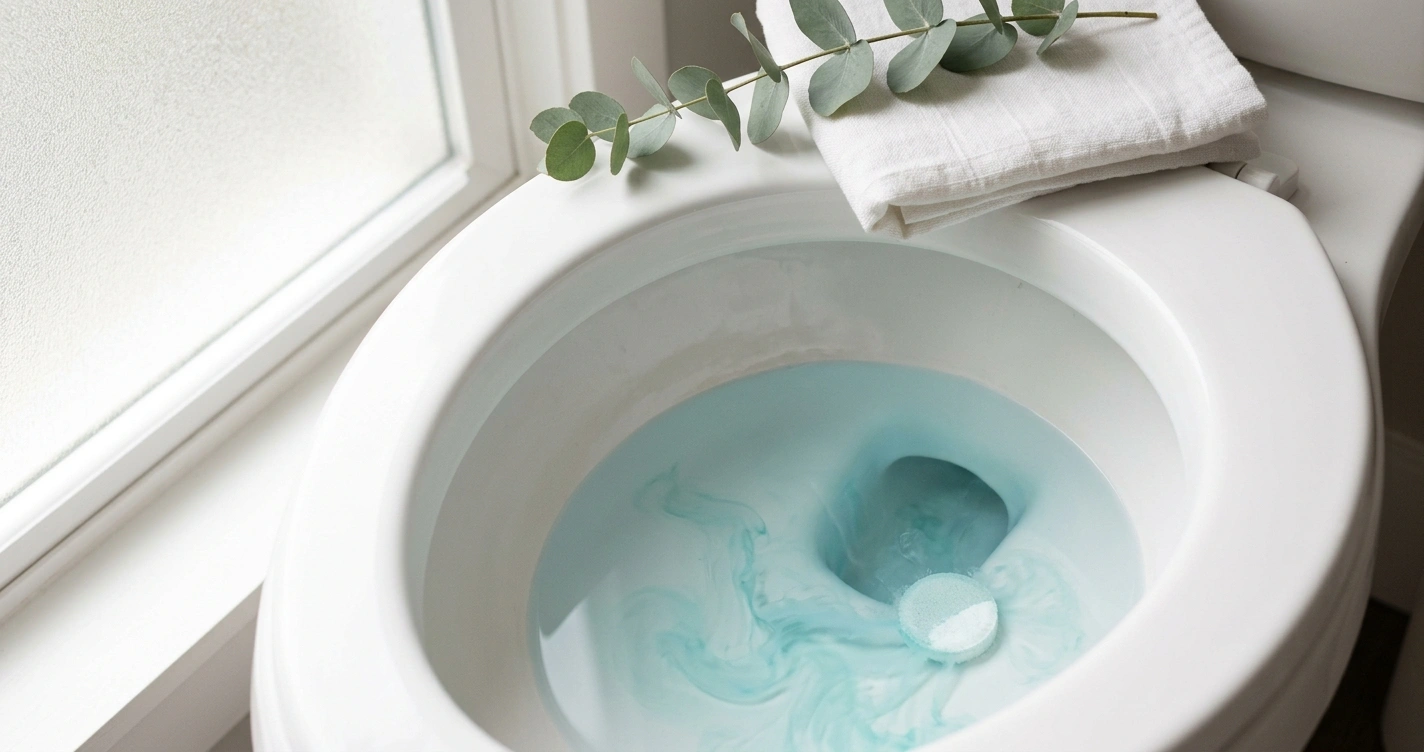
A maioria das pastilhas baseia-se num sistema de libertação lenta. Depois de colocadas no depósito ou na sanita, dissolvem-se gradualmente, libertando agentes de limpeza — cloro, lixívia, tensioativos ou compostos enzimáticos — na água.
Cada descarga faz passar a solução dissolvida pela sanita, proporcionando uma limpeza ligeira e um efeito desodorizante entre escovagens manuais. Com o tempo, isto pode abrandar a formação de manchas e películas nas superfícies da sanita.
Porque é que "Água Azul" Nem Sempre Significa "Água Limpa"
As pastilhas azuis para limpeza da sanita são visualmente tranquilizadoras — a água colorida parece fresca e tratada. Mas a tonalidade azul é sobretudo corante, não uma medida direta do poder de limpeza. A sanita pode parecer azul e ainda assim precisar de uma boa escovagem.
Tipos de Pastilhas de Limpeza para Sanita
Nem todas as pastilhas são concebidas da mesma forma. Conhecer as diferenças ajuda a escolher o produto certo para a sua sanita e para o seu agregado familiar.
Pastilhas para o Depósito
Colocadas dentro do depósito da sanita, as pastilhas de limpeza para sanita no depósito libertam lentamente o produto de limpeza a cada descarga. São práticas e duradouras, mas levantam preocupações legítimas quanto ao desgaste a longo prazo dos componentes internos.
As pastilhas com cloro para utilização no depósito da sanita são eficazes contra manchas e podem reduzir algum crescimento bacteriano, mas tendem a ser mais agressivas para os componentes de borracha. As versões sem cloro e enzimáticas são alternativas mais suaves que podem ser mais adequadas para sanitas antigas ou sistemas sépticos.
Pastilhas para o Interior da Taça
São colocadas diretamente na taça conforme necessário. Atuam mais rapidamente, mas não duram tanto, o que as torna mais indicadas para uma frescura imediata do que para manutenção contínua.
Pastilhas de Encaixe ou Suspensão no Rebordo
Suspensas no rebordo ou colocadas num suporte, estas pastilhas ativam-se apenas quando a sanita é descarregada. São frequentemente consideradas uma opção intermédia — menos agressivas para os componentes do depósito do que as versões para o interior do depósito e mais duradouras do que as pastilhas colocadas na taça.
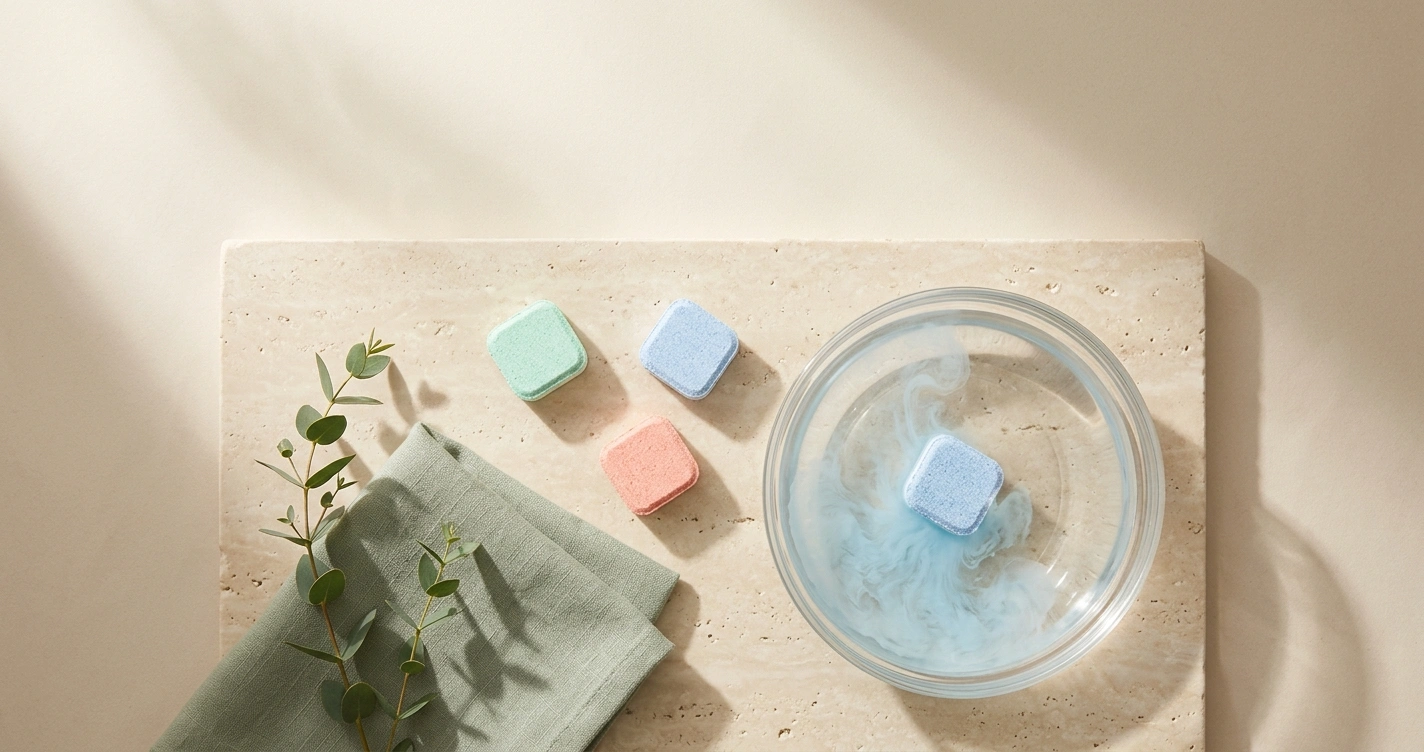
Comparação da Eficácia das Pastilhas Automáticas para Limpeza da Taça da Sanita
De modo geral, as pastilhas para o depósito oferecem a maior conveniência sem intervenção, as pastilhas para o rebordo equilibram desempenho e segurança, e as pastilhas para a taça proporcionam o reforço de frescura mais rápido. Nenhuma delas elimina a necessidade de limpar a taça da sanita manualmente.
Em Que as Pastilhas de Limpeza da Taça da Sanita Podem Ajudar
Quando utilizadas de forma consistente e correta, estas pastilhas oferecem alguns benefícios reais:
Redução de manchas ligeiras e acumulação de resíduos: Podem retardar a formação de depósitos minerais, resíduos de sabão e descoloração superficial.
Ajuda com marcas ligeiras de água dura: Podem reduzir ligeiramente o calcário e marcas ténues de água, embora não eliminem depósitos intensos.
Controlo de odores entre limpezas: os agentes de limpeza dissolvidos ajudam a disfarçar e a reduzir os odores comuns da sanita.
Limitação de algum crescimento bacteriano: as pastilhas podem ajudar a desencorajar que determinadas bactérias se instalem nas superfícies da taça, embora não higienizem toda a sanita.
O que as pastilhas de limpeza para sanita não conseguem fazer
Tão importantes quanto os benefícios são as limitações. As pastilhas não são uma solução única para tudo.
Não removem manchas intensas nem calcário profundo. Anéis persistentes, marcas de ferrugem e depósitos minerais espessos continuam a exigir limpeza manual ou produtos específicos.
Não higienizam toda a sanita. Apenas as superfícies em contacto com a água são tratadas — não o assento, a tampa, o manípulo ou o exterior.
Não eliminam todos os odores. Odores provenientes dos canos, dos anéis de vedação de cera ou de problemas de ventilação não serão resolvidos por uma pastilha.
Não substituem a escovagem manual. A esfregação regular continua a ser essencial para limpar verdadeiramente a taça da sanita.
Prós e Contras das Pastilhas de Limpeza para Sanita
Prós
- Conveniente e em grande medida sem intervenção manual
- Ajuda a manter um aspeto mais fresco entre limpezas
- Proporciona algum controlo de odores
- Pode reduzir a frequência com que é necessária uma limpeza profunda
Contras
- Potenciais danos nos componentes do depósito, especialmente com produtos à base de cloro
- Poder de limpeza profunda limitado
- Riscos de exposição a químicos se forem manuseados incorretamente
- O desempenho varia amplamente entre marcas e fórmulas
As Pastilhas de Limpeza para Sanita São Seguras para as Sanitas?
É aqui que a questão se torna mais complexa — especialmente no que diz respeito às pastilhas colocadas no depósito.
Potenciais Danos das Pastilhas de Lixívia na Sanita
As pastilhas colocadas no depósito à base de cloro permanecem em contacto constante com flutuadores de borracha, vedantes e juntas. Com o tempo, essa exposição pode degradar estes componentes mais rapidamente do que aconteceria com a utilização normal, causando fugas ou uma sanita a correr continuamente.
Garantia e Restrições do Fabricante
Vários fabricantes de sanitas desaconselham explicitamente o uso de pastilhas no depósito, e fazê-lo pode invalidar a sua garantia. Verifique sempre a documentação da sua sanita antes de colocar qualquer produto novo no depósito.
Considerações sobre o sistema séptico
Os agregados familiares com sistema séptico devem ter especial cuidado. As pastilhas de cloro agressivas podem eliminar as bactérias benéficas de que uma fossa séptica depende. Procure produtos claramente identificados como seguros para sistemas sépticos.
Materiais especiais e sanitas antigas
Equipamentos antigos, porcelana colorida ou acabamentos não padronizados podem reagir de forma imprevisível a determinados produtos de limpeza. Em caso de dúvida, teste com cautela ou consulte o fabricante.
Como usar corretamente as pastilhas de limpeza para a sanita
Se decidir usar pastilhas, uma rotina clara ajudará a obter os melhores resultados, mantendo os riscos baixos.
Passo 1: Leia primeiro o rótulo do produto
Comece sempre pelas instruções, advertências e lista de ingredientes do fabricante. Produtos diferentes têm instruções diferentes quanto à colocação, ao tempo de utilização e à segurança.
Passo 2: Escolha o tipo de pastilha correto
Adapte a pastilha à sua sanita, canalização e necessidades do agregado familiar. Considere se precisa de uma fórmula segura para sistemas sépticos, de uma opção sem cloro ou de um produto para a cuba em vez de um produto para o depósito.
Passo 3: Coloque a pastilha no local indicado nas instruções
Depósito, taça ou rebordo — a colocação é importante. Os produtos para o depósito geralmente devem ser colocados num canto do depósito, longe das peças móveis. As pastilhas para a taça são colocadas diretamente na água. As pastilhas para o rebordo fixam-se a um suporte.
Passo 4: Aguarde que se Dissolva ou Ative
Dê tempo à pastilha para começar a libertar o produto de limpeza antes da utilização normal. Muitos produtos recomendam aguardar desde vários minutos até algumas horas.
Passo 5: Puxe o Autoclismo Conforme Indicado
Alguns produtos exigem uma descarga inicial; outros ativam-se gradualmente com as descargas regulares. Siga o rótulo.
Passo 6: Continue a Escovagem Regular
As pastilhas são um complemento, não um substituto. Mantenha a sua rotina normal de manutenção da sanita — isso normalmente significa uma escovagem completa pelo menos uma vez por semana.
Passo 7: Substitua a Pastilha de Acordo com o Calendário Recomendado
A maioria das pastilhas dura de uma a várias semanas. Substituí-las dentro do prazo recomendado mantém um desempenho consistente e evita que pedaços partidos causem problemas no depósito.
Dicas de Segurança ao Utilizar Pastilhas de Limpeza para Sanita
Algumas precauções simples contribuem muito para manter a sua casa segura:
Nunca misture produtos de limpeza. Não combine pastilhas com lixívia, amoníaco ou produtos de limpeza à base de ácido. Misturar estes produtos pode libertar fumos perigosos.
Evite o contacto direto com as mãos. Use luvas ao manusear os comprimidos; os ingredientes ativos podem irritar a pele.
Mantenha os comprimidos afastados de crianças e animais de estimação. Muitos assemelham-se a rebuçados ou brinquedos e podem ser extremamente nocivos se ingeridos.
Esteja atento aos efeitos nos componentes do depósito. Fugas, depósitos de enchimento lento ou água a correr continuamente após a utilização de comprimidos no depósito podem indicar vedantes deteriorados.
Verifique se existem restrições do sanitário, da fossa séptica ou do fabricante. Confirme a compatibilidade antes de introduzir qualquer novo produto de limpeza.
N'ao considere os comprimidos como substitutos de uma limpeza verdadeira. A escovagem de rotina e a limpeza profunda periódica continuam a ser essenciais.
Erros Comuns a Evitar
Mesmo bons produtos podem causar problemas quando utilizados incorretamente. Os erros mais comuns incluem:
Ignorar completamente a escovagem manual — assumindo que o comprimido faz tudo.
Utilizar vários produtos de limpeza ao mesmo tempo — combinar químicos pode criar reações tóxicas e danificar superfícies.
Ignorar a compatibilidade do material do depósito — especialmente relevante para sanitários mais antigos ou com peças fora do padrão.
Deixar os comprimidos usados durante demasiado tempo — pedaços partidos podem obstruir os mecanismos ou interferir com a válvula.
Assumir que todos os comprimidos são iguais — comprimidos com corante azul, comprimidos enzimáticos e comprimidos com cloro comportam-se de forma muito diferente.
Conclusão
Em resumo: as pastilhas de limpeza para sanita podem ser uma parte útil da manutenção da sanita. Ajudam a manter a frescura, a tratar manchas ligeiras e a controlar os odores entre limpezas — mas não são uma solução milagrosa nem substituem a limpeza manual.
Uma abordagem realista combina pastilhas (quando apropriado) com escovagem regular, limpeza profunda ocasional e atenção às necessidades específicas da sua sanita. Esse equilíbrio proporciona resultados muito melhores do que depender de um único produto.
Então, as pastilhas de limpeza para sanita funcionam? Sim — dentro dos seus limites. Escolha o tipo certo para a sua instalação, siga as orientações de segurança e encare estes produtos como um apoio, e não como um substituto. Quando utilizadas com critério, podem tornar a manutenção de uma sanita limpa um pouco mais fácil, sem colocar a canalização ou a sua casa em risco.
FAQ
P: As pastilhas de limpeza para sanita são seguras?
R: De um modo geral, sim, quando usadas conforme as instruções. Ainda assim, a segurança depende do tipo de pastilha, do modelo da sua sanita e das condições da casa. Os produtos à base de cloro colocados no depósito apresentam mais risco para os componentes do depósito do que fórmulas mais suaves, e qualquer pastilha deve ser mantida afastada de crianças e animais de estimação.
P: As pastilhas para sanita substituem a escovagem?
R: Não. As pastilhas podem reduzir a acumulação e ajudar a manter a frescura, mas não substituem a esfregação manual. A escovagem remove as películas e os resíduos que as pastilhas apenas tratam parcialmente.
P: As pastilhas para sanita conseguem remover manchas de água dura?
R: Podem ajudar com marcas ligeiras e abrandar a nova acumulação, mas, normalmente, não conseguem remover depósitos minerais intensos ou já instalados. O calcário persistente costuma exigir produtos desincrustantes específicos e algum esforço manual.
P: As pastilhas para sanita colocadas no depósito fazem mal às sanitas?
R: Podem reduzir a vida útil das vedações e válvulas de borracha — especialmente as versões à base de cloro. Alguns fabricantes de sanitas desaconselham totalmente a sua utilização, e o uso pode anular a sua garantia. Verifique sempre primeiro as orientações da sua sanita.
P: Com que frequência devo usar pastilhas de limpeza para sanita?
R: Siga o calendário de substituição recomendado pelo produto — normalmente a cada uma a quatro semanas, dependendo do formato e da frequência de utilização da sanita. Não deixe pastilhas gastas no depósito.
P: Posso usar pastilhas de limpeza para sanita com um sistema séptico?
R: Apenas se o produto estiver claramente identificado como seguro para sistemas sépticos. As pastilhas agressivas com cloro podem afetar as bactérias benéficas de que uma fossa séptica depende, podendo causar problemas maiores no futuro.