
O sabonete de coco tornou-se silenciosamente uma das categorias mais solicitadas no segmento de cuidados pessoais naturais—e por um bom motivo. Ele endurece rapidamente, produz uma espuma branca e densa e apresenta uma proposta de ingredientes limpos que gera identificação entre compradores que analisam minuciosamente as listas de ingredientes. Para marcas que avaliam um lançamento de marca própria, o sabonete de coco oferece uma rara combinação de previsibilidade de fabricação e apelo de marketing.
Este guia aborda todo o ciclo de desenvolvimento, do conceito à expansão. Ele foi elaborado para fundadores, gerentes de produto e compradores que desejam compreender as decisões técnicas e comerciais que definem uma barra pronta—não se trata de uma visão geral superficial.
Compreendendo o sabonete de coco: ingredientes e posicionamento de mercado
Antes de elaborar um briefing de produto, é útil compreender por que o óleo de coco se comporta da maneira como se comporta na saponificação. As escolhas de formulação feitas posteriormente dependerão desses fundamentos.
O que torna o óleo de coco ideal para a formulação de sabonetes
O óleo de coco contém aproximadamente 45–50% de ácido láurico, um ácido graxo de cadeia média que se saponifica em um sabonete duro e altamente solúvel. Isso se traduz em forte poder de limpeza e uma espuma rápida e abundante, que os consumidores associam instintivamente à ideia de "ficar limpo."
A desvantagem é que o sabonete de coco puro pode ressecar a pele em altas concentrações, razão pela qual os formuladores frequentemente fazem o "superfat" da receita—deixando 15–20% dos óleos sem saponificar para preservar a hidratação da pele. Essa única variável diferencia uma barra agressiva de uma barra premium.
Demanda atual do mercado por sabonetes naturais e veganos
A demanda por sabonetes em barra com rótulo limpo tem se mantido firme na América do Norte, na Europa e nos países do Golfo, impulsionada em grande parte por consumidores que leem os rótulos com mais atenção do que liam há cinco anos. As alegações de origem vegetal e sem testes em animais agora influenciam as decisões de compra muito além do público restrito interessado em bem-estar.
No Oriente Médio, especificamente, a cultura de presentear e as expectativas em relação a embalagens premium criam espaço para um posicionamento com margens mais elevadas. Os compradores europeus, por sua vez, tendem a priorizar credenciais de sustentabilidade verificadas e transparência regulatória.
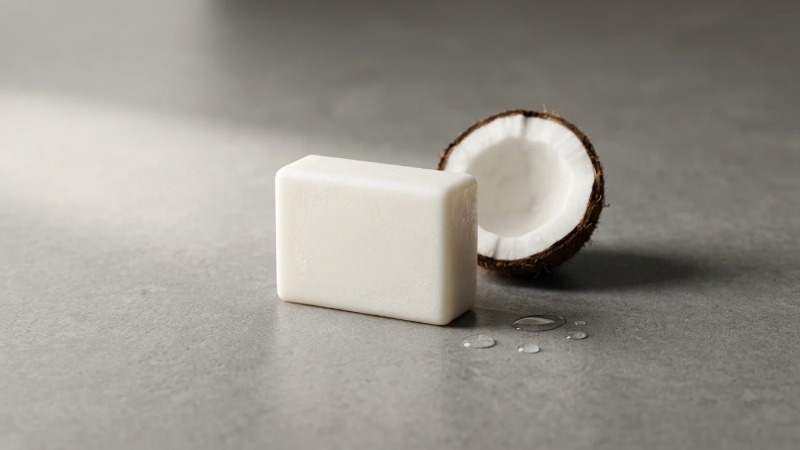
Definindo a Proposta de Venda Única da Sua Marca
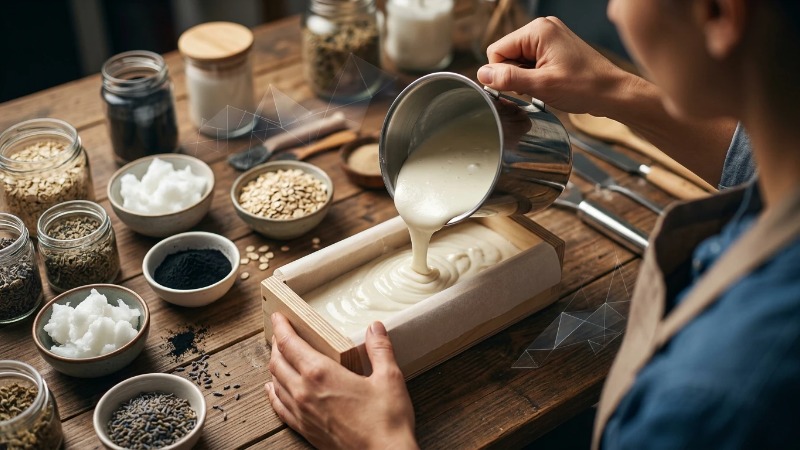
Uma base de coco é comum; sua diferenciação não é. As marcas normalmente conquistam seu espaço por meio de perfis de fragrância exclusivos, ingredientes botânicos adicionais, como carvão ativado ou aveia, alegações específicas de hidratação ou embalagens com foco ecológico.
Escolha um ou dois enfoques e comprometa-se com eles. Uma barra que tenta ser suave, esfoliante, sem fragrância e luxuosa ao mesmo tempo geralmente não comunica nenhuma dessas características com clareza.
Etapa 1: Defina o Conceito do Seu Produto e o Mercado-Alvo
Os erros mais caros acontecem antes do início da formulação—quando o briefing é vago. Transforme sua visão em especificações concretas.
Identificando Seu Segmento de Cliente Ideal
Vá além das características demográficas amplas. Um consumidor com eczema que evita sulfatos e um comprador de amenidades para hotéis desejam barras fundamentalmente diferentes, mesmo que ambos digam querer "sabonete natural de coco."
Documente quem compra, por quê, a que preço e por qual canal. Esse perfil determina praticamente todas as decisões subsequentes.
Definindo os Atributos do Produto: Fragrância, Cor e Textura
Especifique as características sensoriais em termos mensuráveis sempre que possível: intensidade do aroma, se a fragrância é à base de óleos essenciais ou sintética, tipo de corante e acabamento da superfície. Briefings vagos como "cheiro fresco" resultam em várias amostras rejeitadas.
Escolhendo entre formulações de coco puro e formulações combinadas
Uma barra com 100% de coco proporciona máxima espuma e dureza, mas exige uma supergorduração cuidadosa. Misturas com manteiga de karité, azeite de oliva ou óleo de amêndoas doces suavizam o perfil e melhoram o condicionamento, com um custo ligeiramente mais alto de matérias-primas.
A maioria das marcas voltadas ao varejo opta por uma mistura com predominância de coco—ela preserva a identidade do coco e, ao mesmo tempo, amplia a tolerância da pele.
Etapa 2: Desenvolva sua formulação personalizada de sabonete natural
Este é o núcleo técnico do projeto e o ponto em que um parceiro experiente justifica seu investimento.
Trabalhando com um fabricante de sabonete de óleo de coco sob marca própria na formulação
Um fabricante competente de sabonete de óleo de coco sob marca própria já dispõe de receitas-base validadas, portanto, P&D passa a ser uma questão de ajustes, e não de invenção. Isso reduz os prazos e diminui o risco de uma barra que cure inadequadamente ou desenvolva rancidez.
Espere que um bom fabricante questione solicitações que não funcionarão quimicamente—essa divergência é um sinal de experiência, não de obstrução.
Métodos de processo a frio, processo a quente e derretimento e moldagem
O processo a frio produz uma barra lisa e artesanal, mas exige 4–6 semanas de cura, o que afeta o prazo de entrega. O processo a quente acelera a saponificação e reduz o tempo de cura, mas produz uma superfície mais rústica.
O método de derretimento e moldagem oferece o prazo de produção mais rápido e permite designs transparentes ou com elementos incorporados, embora dependa de uma base pré-fabricada e ofereça menos controle sobre a formulação. Sua escolha afeta o custo, a aparência e a facilidade de expansão da produção.
Garantindo a conformidade vegana e livre de crueldade
O sabonete vegano de coco evita ingredientes de origem animal, como sebo, lanolina ou determinadas fontes de glicerina. Verifique também se os corantes, as fragrâncias e os aditivos são de origem vegetal ou mineral.
O status livre de crueldade exige documentação que comprove que nem os ingredientes nem o produto acabado são testados em animais—alegações que cada vez mais precisam de comprovação para listagens no varejo europeu.
Etapa 3: Entenda os requisitos de MOQ e o planejamento da produção
A formulação é apenas metade da equação; os termos comerciais determinam se o projeto é viável para uma marca emergente.
Entendendo os requisitos de MOQ para sabonete de coco
As quantidades mínimas de pedido variam amplamente conforme o fabricante e a complexidade. Um MOQ baixo—a partir de cerca de 1,000 unidades—permite que marcas mais novas validem um conceito no mercado sem comprometer dezenas de milhares de unidades em estoque.
MOQs menores custam um pouco mais por unidade, mas reduzem significativamente o risco de estoque parado, que é a verdadeira ameaça ao fluxo de caixa em estágio inicial.
Prazos para amostragem e aprovação de protótipos
As amostras personalizadas geralmente ficam prontas em 7–14 dias, dependendo da fórmula, da fragrância, da aparência e da complexidade da embalagem. Inclua uma margem para revisão no seu cronograma—aprovar as amostras às pressas tende a fazer com que os problemas só sejam identificados após a produção em grande escala.
Prazos de produção em grande escala
Após a aprovação das amostras, a produção padrão em grande escala geralmente leva 25–30 dias. Planeje retroativamente a partir da data de lançamento e acrescente o prazo de transporte e de desembaraço aduaneiro para evitar rupturas de estoque durante as primeiras vendas.
Etapa 4: Desenvolva a Embalagem e a Identidade Visual Personalizadas do Sabonete
Uma barra bem formulada ainda pode fracassar nas prateleiras se a embalagem enfraquecer seu posicionamento.
Opções de Embalagem que Reforçam o Posicionamento Natural
Caixas de papel kraft reciclável, faixas de papel e cobertura mínima de tinta transmitem sustentabilidade de forma convincente. Para categorias premium, uma experiência de desembalagem cuidadosamente planejada—caixas rígidas, papel de seda ou latas reutilizáveis—justifica preços mais altos, especialmente em mercados impulsionados por presentes.
Rotulagem para Conformidade Regulatória
As regras de rotulagem variam conforme a região. A América do Norte espera a divulgação completa dos ingredientes e alegações fundamentadas; a UE exige a nomenclatura INCI e declarações específicas de alergênicos para componentes de fragrâncias; vários mercados do Golfo acrescentam requisitos de idioma árabe e registro de importação.
Confirme esses detalhes antes da impressão—reidentificar um carregamento é caro e atrasa o lançamento.
Construindo Consistência de Marca em Toda a Sua Linha de Produtos
Mantenha o posicionamento do logotipo, a paleta de cores e a tipografia consistentes entre os SKUs para que os consumidores reconheçam a família de imediato. A consistência é o que transforma uma única barra em uma marca.
Etapa 5: Verifique a Qualidade, as Certificações e os Padrões de Segurança
As certificações não são mera burocracia—elas determinam quais varejistas sequer considerarão seu produto.
Principais Certificações a Considerar (GMP, ISO, FDA, SMETA)
GMP confirma práticas de fabricação disciplinadas; ISO indica uma gestão sistemática da qualidade; o registro na FDA é importante para o mercado dos EUA; e as auditorias SMETA validam práticas éticas de trabalho e conduta na cadeia de fornecimento. Grandes varejistas frequentemente exigem vários desses requisitos antes de integrar um fornecedor.
Testes de Estabilidade e Segurança
Os testes de estabilidade verificam se a fragrância, a cor e a textura se mantêm durante toda a vida útil do produto's, enquanto a avaliação de segurança confirma a compatibilidade com a pele. Solicite documentação em vez de garantias—dados verificáveis protegem sua marca caso uma alegação seja contestada.
Etapa 6: Expanda sua Linha de Sabonetes de Coco com Marca Própria
Depois que o primeiro lote se esgota, o foco muda para o crescimento sustentável.
Gestão de Recompras e Estoque
Acompanhe a velocidade de vendas e estabeleça pontos de reposição que considerem o prazo de produção. O objetivo é garantir disponibilidade contínua sem imobilizar capital em excesso de estoque.
Expansão para Produtos Complementares
O sabonete de coco combina naturalmente com géis de banho, esponjas de banho e produtos para cuidados corporais. Ampliar a linha aumenta o valor médio dos pedidos e fortalece a fidelidade dos clientes sem exigir um novo público.
Faça uma Parceria com a Boymay para a Produção Personalizada de Sabonetes de Coco
Levar um sabonete de coco com marca própria ao mercado exige um fabricante capaz de cuidar da formulação, da conformidade e da produção em escala sob o mesmo teto. Desde 1995, a Boymay se concentra na produção OEM/ODM de esponjas de banho, géis de banho e produtos de cuidados pessoais—por isso, o sabonete de coco se enquadra perfeitamente em nossa área de especialização.
Nossa instalação de 40,000-square-meter opera 16 linhas de produção automatizadas com uma equipe de mais de 200 pessoas, respaldada pelas certificações GMP, ISO, FDA e SMETA, que atendem aos rigorosos requisitos do varejo. Oferecemos formulação personalizada de sabonetes naturais, moldes personalizados e receitas veganas e livres de crueldade, com um MOQ baixo a partir de 1,000 unidades.
Com amostras normalmente prontas em 7–14 dias e produção em grande escala em 25–30 dias, a Boymay oferece a marcas emergentes e estabelecidas uma trajetória confiável do conceito às prateleiras. Se você está planejando uma produção OEM de sabonete de coco ou uma linha completa de marca própria, estamos prontos para desenvolvê-la com você.
Perguntas frequentes (FAQ)
P: Qual é a quantidade mínima de pedido para sabonete de coco de marca própria?
R: Na Boymay, a quantidade mínima de pedido começa em 1.000 unidades. Esse MOQ reduzido permite que marcas mais novas testem um conceito no mercado sem comprometer capital excessivo com estoque, ao mesmo tempo que têm acesso à personalização completa.
P: Quanto tempo leva para desenvolver um sabonete de coco personalizado?
R: As amostras personalizadas normalmente são preparadas em 7–14 dias, dependendo da complexidade da fórmula, fragrância, aparência e embalagem. Após a aprovação da amostra, a produção em grande escala geralmente leva 25–30 dias.
P: O sabonete de coco pode ser formulado como vegano e livre de crueldade animal?
R: Sim. O sabonete de coco pode ser formulado integralmente com ingredientes de origem vegetal e mineral, evitando materiais de origem animal. A Boymay oferece formulações veganas que não são testadas em animais, com documentação para respaldar essas alegações em listagens de varejo.
P: Quais certificações um fabricante de sabonete de coco deve ter?
R: Procure GMP, ISO, FDA e SMETA. GMP e ISO abrangem a qualidade de fabricação e o controle de processos, o registro na FDA apoia o acesso ao mercado dos EUA e a SMETA valida práticas trabalhistas éticas—fatores que fortalecem a confiança de varejistas e consumidores.
P: Posso personalizar a fragrância, o formato e a embalagem do meu sabonete de coco?
R: Sim. A Boymay oferece ampla personalização, incluindo moldes personalizados para formatos exclusivos, perfis de fragrância sob medida, corantes e embalagens totalmente personalizadas e em conformidade, alinhadas à identidade da sua marca e à região-alvo.
P: Qual é a diferença entre a produção de sabonete de coco OEM e ODM?
R: Com OEM, você fornece o design ou a especificação do produto, e o fabricante o produz de acordo com suas instruções. Com ODM, o fabricante oferece formulações e designs existentes que você adapta e rebatiza—uma opção mais rápida e de menor risco quando não precisa de uma receita totalmente personalizada. A Boymay oferece ambos, para que você possa escolher o modelo que melhor se adapta aos seus recursos e prazo.