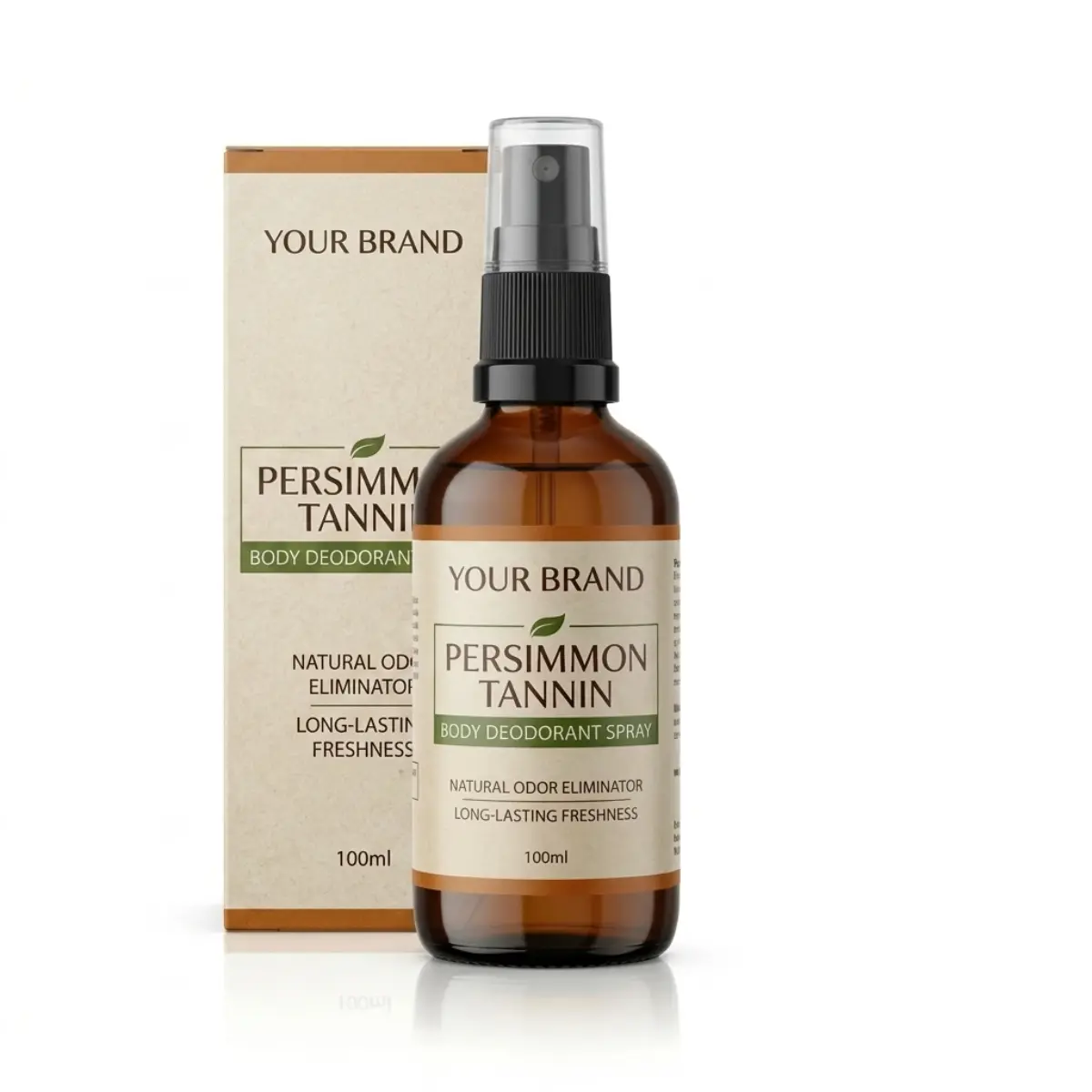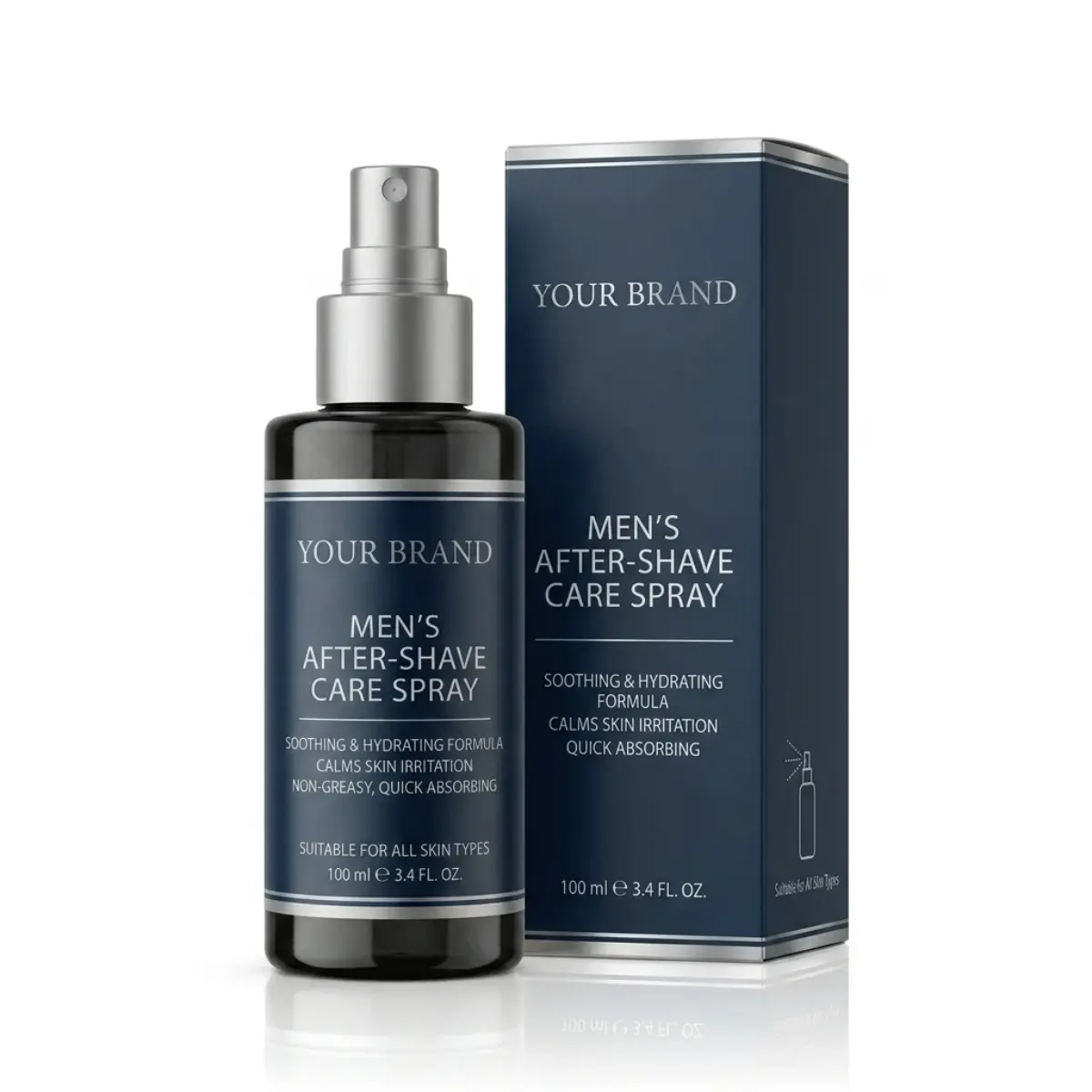

Entre hoje em qualquer varejista focado em bem-estar e você notará algo que não existia há uma década: uma prateleira inteira dedicada ao sono. Não se trata de colchões ou suplementos, mas de pequenos frascos âmbar e foscos que prometem uma noite de descanso melhor. Os sprays para travesseiros passaram silenciosamente de uma curiosidade de nicho das boticas para uma categoria convencional com peso comercial real.
Para as marcas e os varejistas que acompanham essa mudança, a questão já não é mais se vale a pena entrar na categoria de sprays para o sono. É como entrar nela da maneira certa—e com quem desenvolvê-la.
Introdução: Por que os Sprays para Travesseiros Estão em Alta
Os últimos anos transformaram a forma como os consumidores encaram o descanso. O sono já não é tratado como tempo de inatividade; é tratado como um investimento em saúde, produtividade e humor. Essa mudança de perspectiva tem consequências reais nos gastos.
Os sprays para travesseiros ocupam uma interseção interessante. Eles combinam o apelo ritualístico da aromaterapia com o preço acessível de uma compra por impulso e a possibilidade de recompra de um produto consumível. Essa é uma combinação rara em cuidados pessoais—e é exatamente por isso que a categoria continua crescendo.
A tese aqui é simples: o aumento da demanda por produtos de bem-estar voltados ao sono está criando uma oportunidade concreta, mas apenas para marcas preparadas para executar com excelência em formulação, conformidade e fornecimento. Este artigo explora onde essa oportunidade está e o que os profissionais do setor devem avaliar antes de assumir um compromisso.
Compreendendo o Cenário do Mercado de Sprays para Travesseiros
Para compreender os sprays para travesseiros, é necessário entender a economia mais ampla do sono à qual eles pertencem. Isso não é uma tendência isolada—é um segmento pequeno, mas dinâmico, de uma prioridade muito maior dos consumidores.
A Ascensão da Economia do Bem-Estar do Sono
Os gastos globais relacionados ao sono têm crescido de forma constante à medida que os consumidores associam o descanso insuficiente ao estresse, ao esgotamento e à deterioração do bem-estar. A economia do sono agora abrange dispositivos vestíveis, aplicativos de monitoramento, cobertores pesados, roupas de cama refrescantes e uma variedade crescente de produtos tópicos e aromáticos.
As brumas para travesseiros se encaixam perfeitamente ao lado desses produtos porque exigem muito pouco do consumidor. Não há nenhum dispositivo para carregar nem suplemento para ingerir—apenas um estímulo olfativo que sinaliza "é hora de desacelerar." As rotinas comportamentais são duradouras, e essa constância impulsiona compras recorrentes.
Os sinais do mercado até 2025 e ao longo de 2026 continuam apontando para a expansão da categoria, especialmente à medida que as tendências de aromaterapia e beleza limpa convergem. A interseção entre "bem-estar" e "autocuidado" é onde os sprays para dormir prosperam.
Demanda Regional: América do Norte, Europa e Oriente Médio
A demanda não é uniforme. Na América do Norte, o principal impulsionador é, em grande parte, a otimização pessoal—consumidores que monitoram o sono e compram produtos que acreditam que irão melhorá-lo. Os presentes também desempenham um papel importante, especialmente durante as temporadas de compras de fim de ano e de varejo voltado ao bem-estar.
Os compradores europeus tendem a priorizar formulações naturais, transparência dos ingredientes e credenciais de sustentabilidade. O escrutínio regulatório é maior nessa região, o que eleva o padrão para uma fabricação em conformidade.
No Oriente Médio, a cultura da fragrância é profundamente enraizada, e há uma forte demanda por produtos premium com fragrâncias intensas, além de ocasiões para presentear. As preferências olfativas variam—perfis mais quentes e complexos frequentemente superam as fragrâncias florais mais leves, populares nos mercados ocidentais. Compreender essas nuances é uma vantagem competitiva, não uma mera observação.
O Que Está Impulsionando a Demanda dos Consumidores por Sprays para Travesseiros
Toda categoria precisa de um "porquê agora." No caso dos sprays para travesseiros, várias forças estão se acumulando simultaneamente.
A Busca por uma Vida de Maior Qualidade
Os consumidores estão optando por produtos melhores. Em vez de comprar mais produtos, muitos estão comprando menos itens, porém melhores—produtos que parecem intencionais e que fazem parte de um ritual. Um spray para travesseiros se encaixa perfeitamente nessa mentalidade.
O próprio sono tornou-se uma espécie de símbolo de status. Falar sobre a sua "rotina de desaceleração" tem o mesmo peso cultural que os hábitos de ginásio tinham há uma década. Os produtos que apoiam rituais restauradores justificam uma disposição para pagar muito acima do seu custo de produção.
É por isso que o posicionamento premium funciona tão bem nesta categoria. O valor percebido não vem apenas do líquido dentro do frasco, mas também do que ele representa.
Transparência dos Ingredientes e Formulações Naturais
O comprador atual lê os rótulos. Lavanda, camomila, bergamota e outros produtos botânicos calmantes não são apenas marketing—são esperados. As fórmulas com elevada presença de ingredientes sintéticos e listas de ingredientes vagas enfrentam cada vez mais dificuldades no retalho.
As expectativas de rótulos limpos significam que as certificações e as histórias honestas sobre a origem dos ingredientes são importantes. Os consumidores querem saber se um produto é seguro, produzido de forma responsável e livre dos ingredientes que procuram evitar.
A sustentabilidade e o abastecimento ético deixaram de ser um "extra desejável" para se tornarem verdadeiros fatores de compra, sobretudo entre os compradores mais jovens na Europa e na América do Norte. As marcas que ignorarem este sinal correm o risco de envelhecer rapidamente.

O Papel das Tendências de Fragrâncias e Aromaterapia
A lavanda continua a ser a referência da categoria—é o aroma que a maioria dos consumidores associa ao sono e converte. Mas o mercado está a diversificar-se. As combinações com vetiver, sândalo, camomila e até notas cítricas subtis estão a ganhar força.
A personalização é a próxima fronteira. As experiências de fragrância baseadas no estado de espírito—"calma," "restaurar," "descontrair"—permitem às marcas criar gamas em vez de produtos únicos. Isso aumenta o valor do carrinho e a presença nas prateleiras.
As redes sociais amplificaram tudo isto. O conteúdo sobre rotinas noturnas tem um desempenho extraordinário, e um spray de almofada bem concebido é naturalmente fotogénico. Essa visibilidade orgânica reduz os custos de aquisição de clientes para as marcas que acertam no produto.
Oportunidades de Mercado para Marcas e Retalhistas
Compreender a procura é uma coisa. Captá-la é outra. É aqui que reside a oportunidade prática.
Potencial de crescimento com marcas próprias e OEM
Os varejistas estão cada vez mais lançando suas próprias linhas OEM de spray para dormir com marca própria, em vez de simplesmente revender marcas de terceiros. O motivo é a margem—os produtos de marca própria normalmente oferecem uma economia mais favorável do que a distribuição da marca de outra empresa's.
A velocidade de entrada no mercado é outra vantagem. Com um parceiro de fabricação estabelecido, um varejista pode passar do conceito à prateleira muito mais rapidamente do que ao desenvolver uma formulação internamente do zero.
Também há um forte potencial de formação de kits. Um spray para travesseiro se integra naturalmente a uma linha mais ampla de bem-estar, ao lado de produtos para banho, velas e cuidados corporais—aumentando o valor médio dos pedidos em toda a linha.
Diferenciação por meio de formulações personalizadas de spray para travesseiro
Em uma categoria em crescimento, a diferenciação é uma questão de sobrevivência. A formulação personalizada de spray para travesseiro permite que as marcas se destaquem por meio de uma arquitetura olfativa exclusiva, texturas diferenciadas e alegações funcionais defensáveis.
A embalagem e o design são elementos competitivos subestimados. Dois sprays com fórmulas semelhantes podem ter desempenhos muito diferentes com base no design do frasco, na sensação proporcionada pela tampa e na narrativa do rótulo. É nesse ponto que o desenvolvimento personalizado demonstra seu valor.
Adaptar-se às preferências regionais e demográficas—florais mais leves para um mercado, combinações mais intensas para outro—transforma uma única fórmula em uma estratégia de portfólio.
Considerações sobre atacado e distribuição
Além das prateleiras do varejo, há uma demanda significativa no atacado por névoa de lavanda para travesseiros por parte de spas, hotéis boutique e do mercado de presentes. Esses canais valorizam a consistência e a apresentação tanto quanto o preço.
O desafio é expandir de forma harmoniosa—passar de um lançamento boutique de alguns milhares de unidades para o fornecimento ao varejo de massa sem desvios de qualidade. Essa transição tende a prejudicar as marcas que escolheram o parceiro de fabricação errado no início.
Equilibrar a flexibilidade do MOQ com a ambição de crescimento é fundamental. Você deseja entrar com um volume administrável, mas estabelecer uma parceria com alguém capaz de expandir quando a demanda chegar.
Desafios que as marcas devem antecipar
Seria desonesto apresentar a categoria como algo sem esforço. Não é. Dois obstáculos merecem atenção especial.
Requisitos regulatórios e de conformidade
As regulamentações de cosméticos e fragrâncias diferem significativamente na América do Norte, na UE e no Oriente Médio. A rotulagem de alergênicos, as restrições a ingredientes e a documentação de segurança variam de acordo com a região, e erros nessa área podem interromper um envio inteiro.
Um parceiro de fabricação em conformidade e certificado não é uma conveniência—é uma necessidade de gestão de riscos. Incorporar o suporte regulatório à relação de produção evita inúmeros problemas posteriores.
Consistência da qualidade e confiabilidade do fornecimento
A maneira mais rápida de enfraquecer uma marca jovem é oferecer um produto inconsistente. Um spray com aroma diferente de um lote para outro ou um prazo de entrega que ultrapassa o prazo do varejista prejudica uma confiança difícil de reconstruir.
É exatamente por isso que a escolha de um fornecedor de aromaterapia em spray para dormir é tão importante em escala. A estabilidade da formulação e a entrega previsível são o que diferenciam uma marca amadora de um negócio duradouro.
O que procurar em um fabricante de spray para travesseiros
Se você'se convenceu de que a oportunidade é real, a decisão de fornecimento se torna a mais importante que você tomará. Veja o que realmente importa.
Capacidade de fabricação e escalabilidade
Pergunte sobre a capacidade de produção automatizada e o volume real produzido diariamente. Um parceiro que só consegue atender a pequenos lotes se tornará um gargalo assim que sua marca ganhar força. Você precisa de margem de capacidade incorporada à relação.
O fabricante certo cresce com você—apoiando um lançamento modesto hoje e uma expansão no varejo de massa amanhã, sem renegociar todo o acordo.
Certificações e Garantia da Qualidade
GMP, ISO, FDA e SMETA não são selos de marketing—são sinais de confiança que reduzem os riscos da sua decisão de fornecimento. Eles demonstram que uma instalação segue processos documentados, atende aos padrões de segurança e cumpre práticas trabalhistas éticas.
Para compradores que vendem em mercados regulamentados, essas certificações reduzem drasticamente o tempo de diligência prévia e proporcionam segurança aos seus próprios parceiros varejistas.
Flexibilidade de Personalização e MOQ Baixo
Pontos de entrada acessíveis são importantes, especialmente ao testar novos produtos. Um MOQ baixo permite validar um conceito no mercado antes de se comprometer com grandes volumes—uma maneira inteligente de gerenciar riscos.
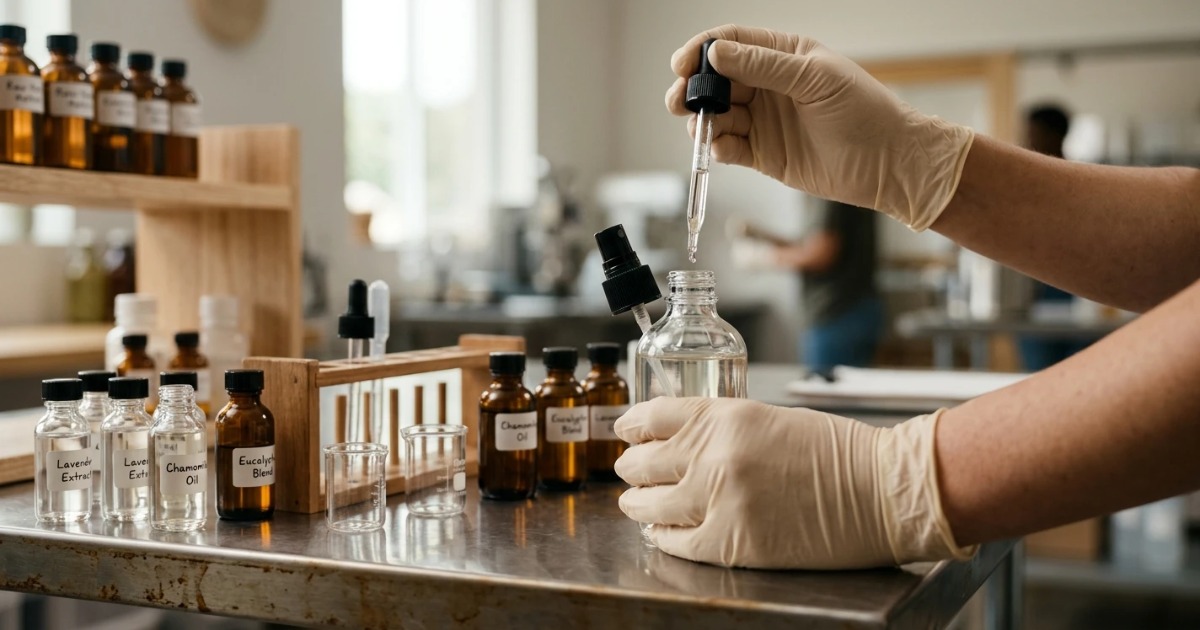
As capacidades completas de OEM/ODM, desde o desenvolvimento da fórmula até o produto final embalado, permitem criar uma linha completa sob o mesmo teto, em vez de coordenar vários fornecedores.
Histórico e Experiência no Setor
Décadas de experiência em fabricação reduzem os riscos de maneiras difíceis de quantificar, mas fáceis de perceber. Parceiros experientes antecipam problemas, estabilizam fórmulas mais rapidamente e cumprem os prazos de entrega de forma consistente.
Ao construir uma marca em torno da promessa de um sono reparador, você não pode se dar ao luxo de trabalhar com um fornecedor que tira o seu sono.
Por que a Boymay é uma Parceira de Confiança na Fabricação de Sprays para Dormir
Todos os critérios acima levam a uma conclusão prática. Se você está buscando fornecedores nesta categoria, veja por que a Boymay deve estar na sua lista de opções.
Décadas de experiência em OEM/ODM desde 1995
A Boymay é especializada na fabricação OEM/ODM de bombas de banho, vaporizadores para banho e produtos de cuidados pessoais desde 1995. Isso não é uma entrada recente em uma categoria em alta—é uma expertise profunda e acumulada na formulação de produtos de bem-estar à base de fragrâncias.
Essa experiência se estende naturalmente à aromaterapia e à produção de sprays para dormir, nos quais a estabilidade da fragrância e a consistência da formulação são precisamente as competências desenvolvidas por décadas de fabricação de produtos de cuidados pessoais.
Escala, certificações e confiabilidade
A operação abrange uma instalação de 40,000㎡ com 16 linhas de produção automatizadas e uma equipe de mais de 200 funcionários. A produção diária chega a 160,000 conjuntos—uma capacidade que atende tanto a lançamentos de marcas boutique quanto a grandes programas de varejo.
A Boymay possui certificações GMP, ISO, FDA e SMETA reconhecidas internacionalmente, oferecendo aos compradores a base de conformidade necessária para vender com confiança em mercados regulamentados.
Soluções flexíveis e personalizadas para marcas globais
MOQs baixos, a partir de 1,000 unidades, tornam viável testar novos produtos sem comprometer excessivamente o estoque. Combinada à alta personalização e a prazos de entrega estáveis, essa flexibilidade se adapta à forma como as marcas modernas realmente lançam seus produtos.
A Boymay trabalha com marcas e varejistas em toda a América do Norte, Europa e Oriente Médio—regiões com preferências distintas que parceiros experientes sabem atender.
Pronto para lançar sua linha de sprays para travesseiro? Vamos conversar
Se você está avaliando a oportunidade no segmento de bem-estar do sono e procurando um fabricante confiável de sprays para travesseiro, este é o momento de conversar. O parceiro certo transforma uma tendência de mercado em uma linha de produtos pronta para comercialização e venda.
Entre em contato com a Boymay para discutir formulações personalizadas, opções de marca própria e a rapidez com que seu próximo produto poderia chegar ao mercado.
Conclusão: Posicionando Sua Marca para o Boom do Bem-Estar do Sono
A categoria de sprays para travesseiros não é uma tendência passageira—é uma parte pequena e bem posicionada de uma mudança muito maior e duradoura em direção a um estilo de vida orientado pelo bem-estar. A demanda dos consumidores por rituais restauradores continua crescendo, e as brumas para travesseiros proporcionam essa promessa a um preço acessível, com forte potencial de recompra.
Mas a oportunidade só se transforma em resultados com a execução correta. Conformidade, consistência da formulação e fornecimento confiável diferenciam as marcas que crescem daquelas que ficam estagnadas.
O parceiro de fabricação certo é o que preenche essa lacuna. Se você está pronto para avançar com a oportunidade no segmento de bem-estar do sono, entre em contato com a Boymay e leve uma linha de sprays para travesseiros pronta para o mercado aos seus clientes.
Perguntas Frequentes
P: Qual é o MOQ típico para um spray para travesseiros de marca própria?
R: Os pedidos iniciais podem começar com apenas 1,000 unidades, o que torna prática a possibilidade de testar um conceito no mercado antes de expandi-lo. MOQs baixos permitem que marcas emergentes validem a demanda sem comprometer capital excessivo em estoque e, em seguida, aumentem os volumes quando o produto comprovar seu potencial.
P: Quanto tempo leva o desenvolvimento de uma formulação personalizada de spray para travesseiros?
R: Os prazos variam conforme a complexidade, mas o processo OEM/ODM geralmente passa por consulta, desenvolvimento da fórmula e amostragem antes da produção em massa. Adaptações simples de fragrâncias são mais rápidas do que formulações totalmente personalizadas. Trabalhar com um fornecedor experiente reduz o ciclo de amostragem, pois os desafios de formulação são previstos no início, em vez de serem descobertos tardiamente.
P: Quais fragrâncias apresentam melhor desempenho no mercado atual?
R: A lavanda continua sendo a fragrância principal e a que apresenta maior poder de conversão para produtos voltados ao sono. Dito isso, combinações calmantes com camomila, vetiver, sândalo e cítricos suaves estão ganhando espaço, e as preferências regionais são importantes—perfis mais quentes e intensos costumam ter melhor desempenho no Oriente Médio do que nos mercados ocidentais.
P: Quais certificações um fornecedor de sprays para travesseiros deve possuir?
R: No mínimo, procure GMP e ISO para os padrões de fabricação, conformidade com a FDA para a segurança dos produtos e SMETA para práticas trabalhistas éticas. Essas certificações reduzem a carga de diligência necessária e oferecem segurança aos varejistas e distribuidores por meio dos quais você venderá seus produtos.
P: Um fabricante pode atender tanto a pequenos quanto a grandes volumes de pedidos?
R: O parceiro certo pode. A capacidade escalável—linhas automatizadas e alta produção diária—significa que um fornecedor pode atender ao lançamento de uma boutique com alguns milhares de unidades e, posteriormente, cumprir pedidos para o varejo de massa sem uma mudança disruptiva de fornecedor. Pergunte diretamente sobre a capacidade de produção antes de assumir um compromisso.
P: Como escolher entre serviços OEM e ODM?
R: OEM é adequado para marcas que já têm uma fórmula ou especificação definida e precisam que ela seja fabricada. ODM atende a marcas que desejam que o fabricante cuide do desenvolvimento—fórmula, design e produto acabado—com base em um briefing. Marcas mais novas geralmente começam com ODM por sua rapidez e, posteriormente, migram para OEM à medida que suas especificações amadurecem.