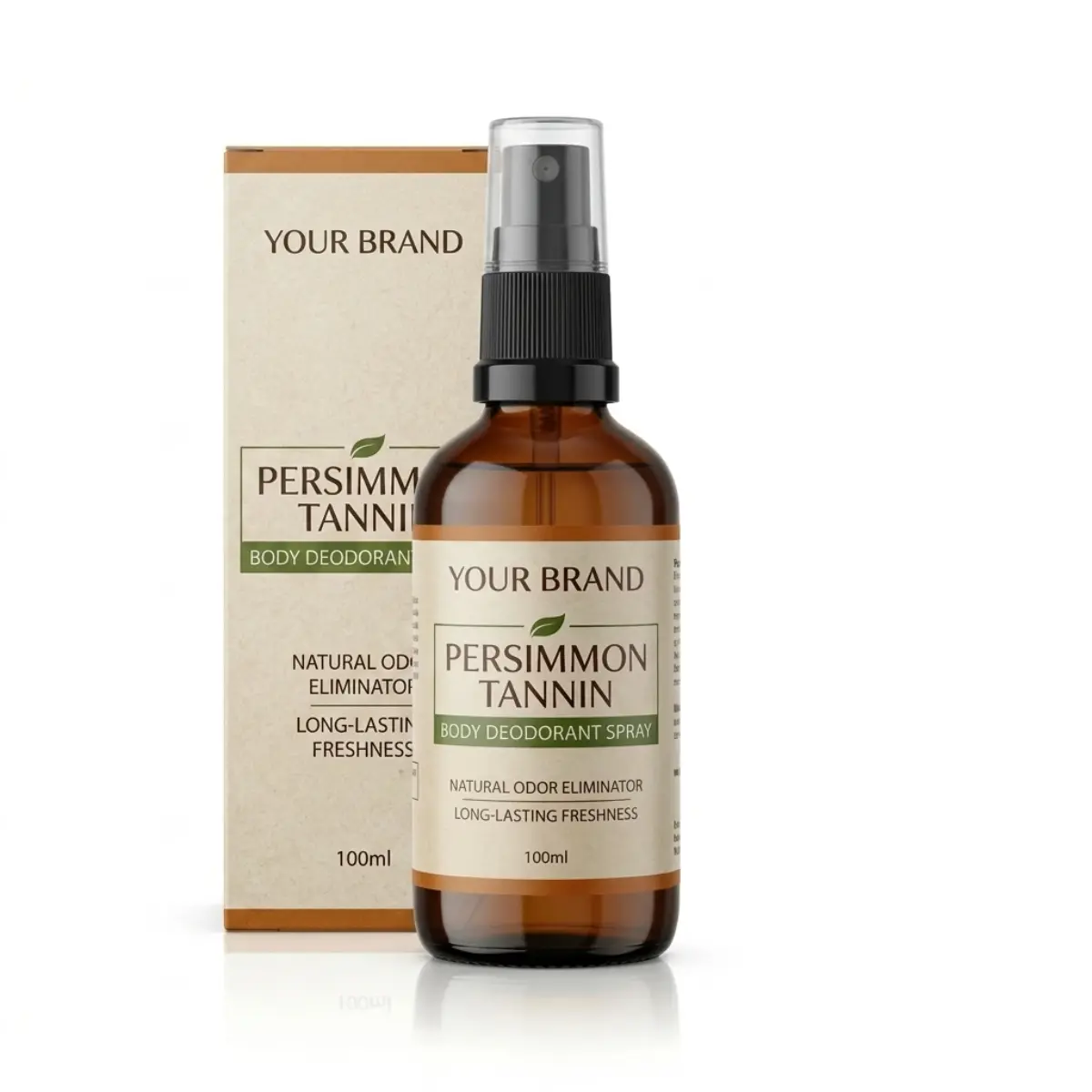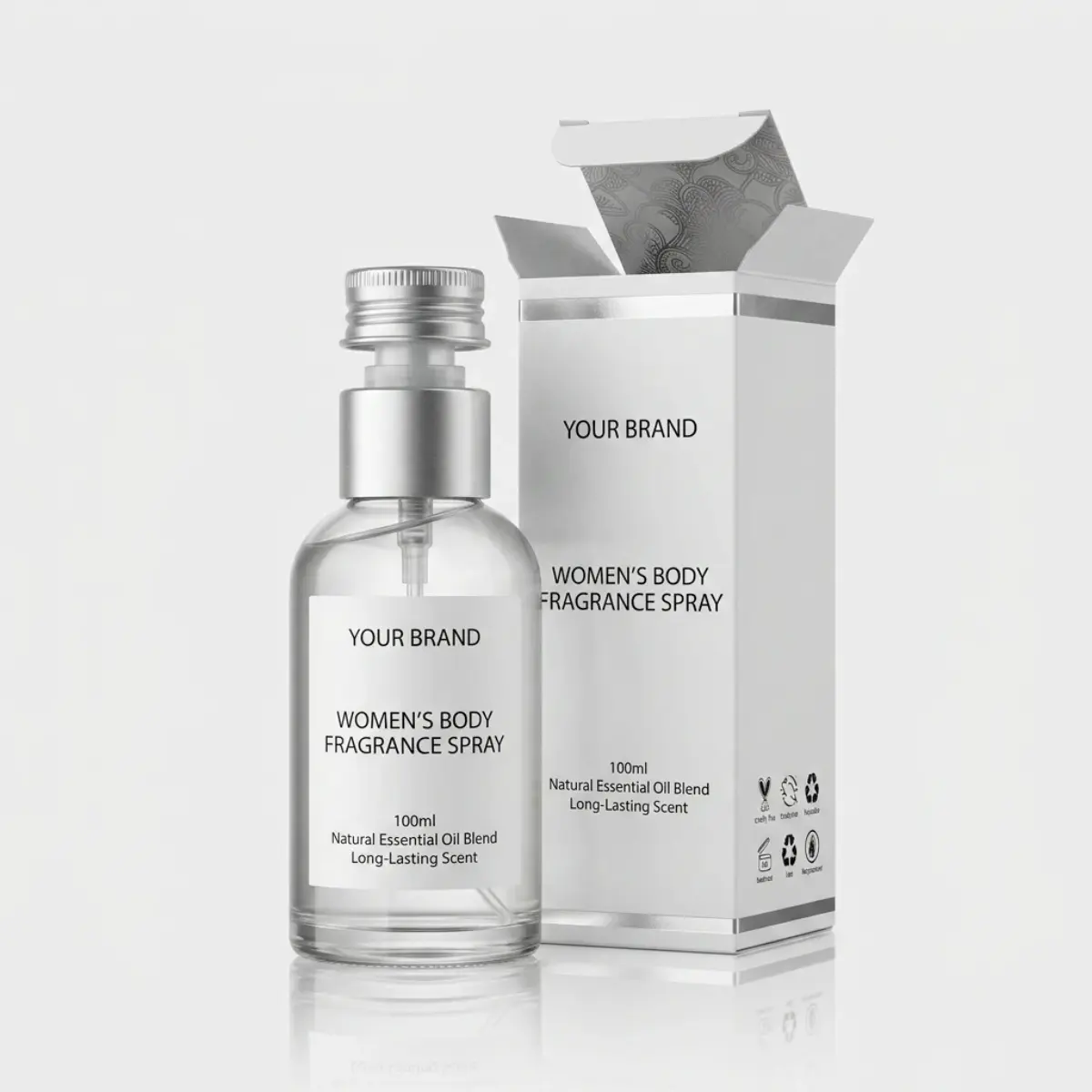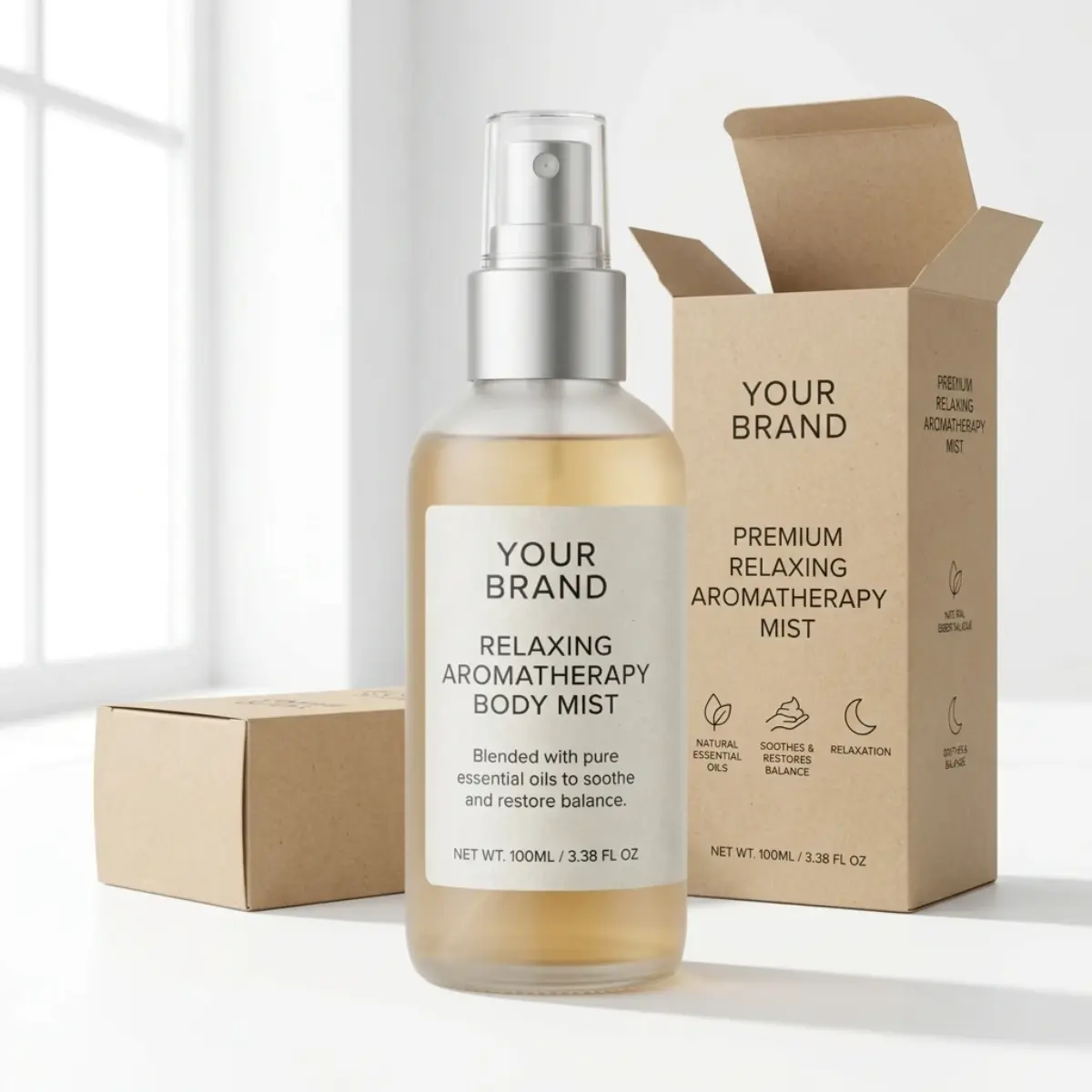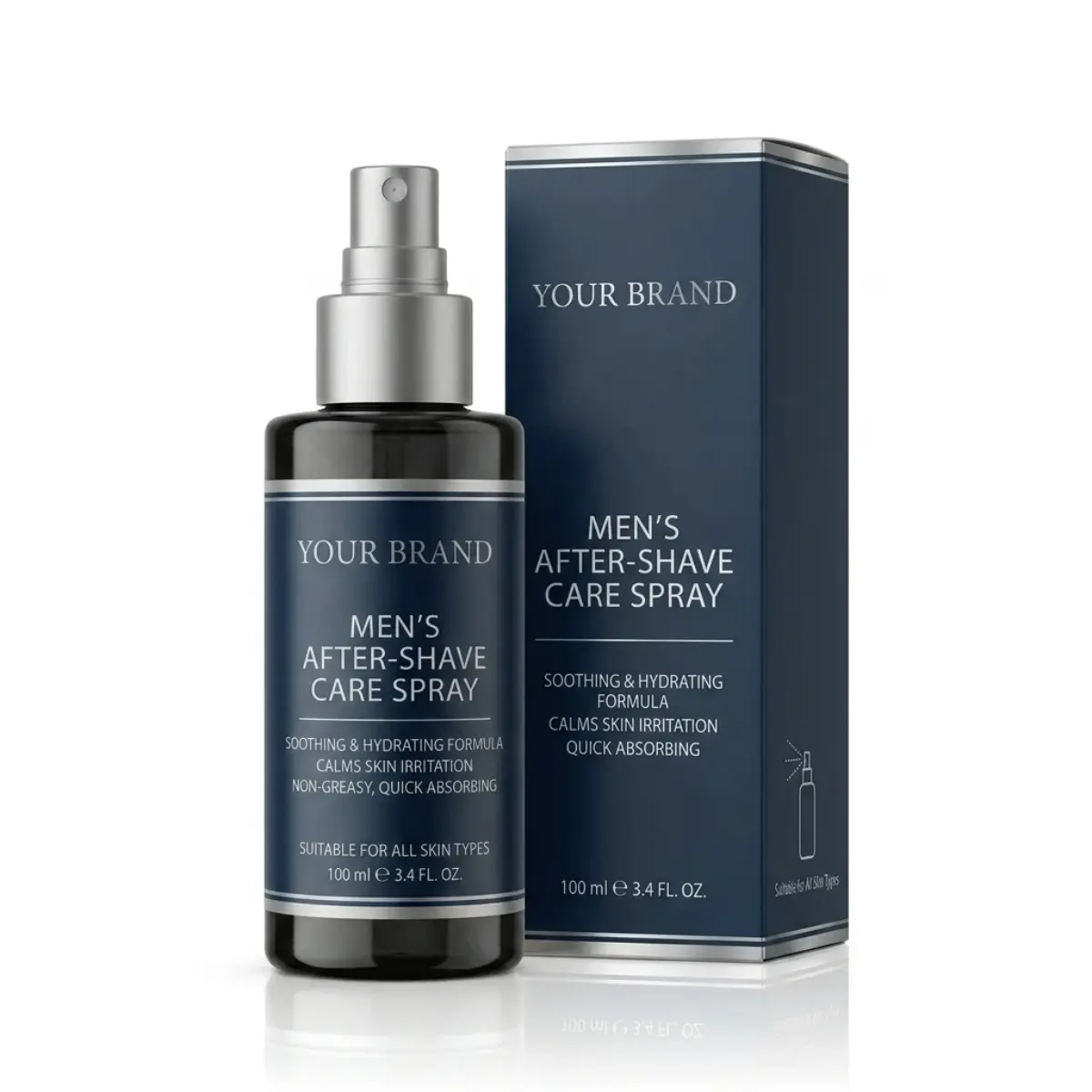

Percorra qualquer corredor de uma farmácia e você encontrará fileiras de latas coloridas ao lado de elegantes frascos de vidro. Ambos prometem deixar você cheiroso. Ambos são aplicados por spray. Então, por que um custa cinco dólares e o outro custa oitenta?
Se você já ficou ali se perguntando se realmente precisa de um perfume "de verdade" ou se um body spray faz o mesmo trabalho, não está sozinho. Essa confusão acontece constantemente, principalmente porque o marketing desses produtos obscurece propositalmente as diferenças.
Vamos esclarecer isso. A seguir, você encontrará as diferenças práticas que realmente importam na hora de escolher o que comprar—e por que, para muitas pessoas, o body spray acaba sendo a opção mais sensata.
Body Spray vs. Perfume: A Resposta Rápida
Aqui está a versão resumida: o perfume é uma fragrância concentrada dissolvida em álcool, desenvolvida para durar horas com uma pequena quantidade. O body spray é um produto mais leve e diluído, criado para proporcionar um aroma rápido e fresco que desaparece mais depressa e cobre uma área maior da pele.
O perfume é o investimento para ocasiões especiais. O body spray é a opção prática para usar todas as manhãs sem pensar duas vezes no custo.
Tabela Comparativa Rápida
| Característica | Body Spray | Perfume |
|---|---|---|
| Concentração de óleo de fragrância | Aproximadamente 1–3% | 15–30% (o parfum pode chegar a 40%) |
| Durabilidade | 1–3 horas | 6–12 horas ou mais |
| Intensidade da fragrância | Leve e arejada | Marcante e expansiva |
| Preço típico | Baixo, acessível | Médio a premium |
| Ideal para | Uso diário, academia e refrescância | Eventos, noites especiais e fragrância marcante |
O que é body spray?
Body spray é um produto levemente perfumado desenvolvido para refrescar a pele sem incomodar quem estiver próximo. Ele está na faixa mais baixa da escala de concentração de fragrâncias, e é justamente por isso que proporciona uma sensação casual e é fácil de usar.
Como é diluído, você pode aplicá-lo generosamente no peito, nos braços ou nas roupas sem que a fragrância fique intensa. É o tipo de produto que você procura depois do banho ou antes de sair de casa.

Principais características do spray corporal
A maioria dos sprays corporais vem em latas de aerossol ou frascos com borrifador. A fórmula é composta principalmente por água, álcool ou um veículo leve, com uma pequena dose de óleo de fragrância adicionada.
Essa composição leve tende a permanecer suavemente sobre a pele, o que torna o spray corporal uma opção mais agradável para pessoas que consideram perfumes intensos irritantes ou causadores de dor de cabeça. A desvantagem é simples: a fragrância não permanece na pele o dia todo.
Como o spray corporal se relaciona com o body mist e os sprays desodorantes
É aqui que as coisas ficam confusas. "Body mist" é essencialmente outro nome para spray corporal—geralmente um frasco com válvula e uma névoa fina, levemente hidratante. Quando as pessoas comparam eau de toilette vs body mist, o EDT sempre ganha em intensidade, porque um body mist contém muito menos óleo de fragrância.
Os sprays corporais desodorantes são diferentes. Sua principal função é combater o odor e, às vezes, controlar a transpiração, sendo a fragrância um benefício adicional. Essa é a principal diferença entre spray corporal desodorante e colônia: um é um produto funcional de higiene, enquanto o outro existe exclusivamente para fazer com que você tenha determinado aroma.
O que é perfume?
O perfume é a forma mais concentrada do universo das fragrâncias. Quando algo é identificado como "parfum" ou "extrait," isso significa que contém a maior proporção de óleos aromáticos disponível, e é por isso que uma única aplicação atrás da orelha pode durar durante o jantar e o filme.
É posicionado—e comercializado—como um produto de luxo. Você paga pela potência, pela durabilidade e, muitas vezes, por composições aromáticas complexas que se desenvolvem ao longo de horas.
Principais características do perfume
A característica definidora é o teor de óleo. Mais óleo significa uma fragrância com maior projeção, que evolui pelas notas de topo, coração e fundo ao longo do dia.
O perfume é aplicado com moderação nos pontos de pulsação, em vez de ser pulverizado por toda parte. Uma pequena quantidade é suficiente, e usar produto em excesso é um erro comum de iniciantes que transforma uma fragrância agradável em uma fragrância muito intensa.
As principais diferenças explicadas
Agora, vamos aos detalhes que realmente determinam qual produto vai parar na sua sacola.
Níveis de concentração da fragrância
A concentração da fragrância é o principal fator de diferenciação. Os níveis de concentração do óleo do perfume são aproximadamente os seguintes: parfum (20–30%+), eau de parfum ou EDP (15–20%), eau de toilette ou EDT (5–15%) e eau de cologne (2–4%).
Os sprays corporais geralmente ficam abaixo até mesmo da eau de cologne, em torno de 1–3%. Portanto, ao comparar a concentração da fragrância de spray corporal e perfume, muitas vezes estamos falando de uma diferença de dez vezes na quantidade de óleos aromáticos. Essa diferença explica praticamente todo o restante.

Longevidade e intensidade da fragrância
A longevidade do spray corporal em comparação com o perfume é o motivo pelo qual muitas pessoas sentem que o spray corporal "desaparece." Um spray corporal permanece perceptível por cerca de uma a três horas antes de se dissipar ao fundo.
O perfume, especialmente EDP e parfum, pode permanecer na pele durante boa parte do dia. Algumas notas de fundo permanecem no tecido por ainda mais tempo. Se você quiser aplicar o perfume uma vez pela manhã e não precisar mais se preocupar com isso, o perfume cumpre essa função—por um preço.
Aplicação, cobertura e frequência
O spray corporal foi desenvolvido para oferecer cobertura. Você o aplica amplamente e sente uma refrescância em toda a pele, mas provavelmente precisará reaplicá-lo uma ou duas vezes ao longo de um dia prolongado.
O perfume é uma ferramenta de precisão. Duas aplicações direcionadas no pescoço e nos pulsos são suficientes, e reaplicá-lo com muita frequência pode rapidamente se tornar excessivo.
Preço e valor no dia a dia
É aqui que a conta do dia a dia favorece o body spray. Um frasco custa uma fração do preço de um perfume de grife, então usá-lo diariamente não pesa no bolso.
O perfume faz sentido como um luxo ocasional ou uma fragrância marcante que você reserva para momentos importantes. Para a necessidade rotineira de "eu só quero cheirar bem hoje", o body spray oferece melhor custo-benefício.
Por que o Body Spray é a escolha inteligente para o dia a dia
Para a maioria das pessoas durante uma semana normal, o body spray simplesmente se adapta melhor à rotina. É acessível o suficiente para ser usado com generosidade, leve o bastante para não incomodar peles sensíveis e fácil de reaplicar sempre que você quiser se sentir renovado.
Você não está se comprometendo com uma declaração marcante que dure o dia todo. Está obtendo uma fragrância limpa e agradável, que pode ajustar conforme a ocasião.
Situações ideais para escolher o Body Spray
Pense na academia, onde um perfume intenso entraria em conflito com o suor e o esforço—uma aplicação rápida de body spray proporciona frescor sem dominar o ambiente. O mesmo vale para o escritório, onde uma fragrância leve respeita as pessoas ao seu redor.
As viagens são outra situação em que ele se destaca. Os sprays compactos são fáceis de levar na bagagem e reaplicar após voos longos. Além disso, os body sprays combinam perfeitamente com loções ou sob uma fragrância mais intensa quando você quer algo mais pessoal.
Crescente demanda dos consumidores por Body Sprays
Os hábitos dos consumidores mudaram visivelmente nos últimos anos. À medida que 2026 se aproxima, os consumidores—especialmente os mais jovens—continuam preferindo fragrâncias mais leves, limpas e adequadas ao dia a dia em vez de perfumes tradicionais intensos.
Os varejistas responderam ampliando as linhas de body sprays e body mists, frequentemente com fórmulas suaves para a pele e adequadas para sobreposição. O interesse por fragrâncias acessíveis e fáceis de usar continua crescendo, e essa tendência não mostra sinais de desaceleração.
Para Marcas e Varejistas: Obtenção de Sprays Corporais e Produtos de Cuidados Pessoais de Qualidade
Se você'chegou até aqui como proprietário de uma marca ou comprador, e não como consumidor, essa demanda crescente representa exatamente a oportunidade que vale a pena aproveitar. Criar uma linha de sprays corporais significa encontrar um fabricante capaz de combinar qualidade com um fornecimento confiável.
O Que Procurar em um Fabricante Confiável
Comece pelas certificações. A conformidade com GMP, ISO, FDA e SMETA distingue as fábricas sérias das que apresentam riscos. Em seguida, avalie a capacidade de produção, pois um parceiro que não consegue acompanhar o crescimento pode desacelerar sua expansão.
Quantidades mínimas flexíveis também são importantes, especialmente se você'estiver testando uma nova linha e não quiser arriscar grandes volumes. Além disso, uma verdadeira capacidade de personalização permite que você tenha controle sobre sua fragrância, embalagem e fórmula, em vez de simplesmente reetiquetar um produto padrão.

Como a Boymay Apoia Marcas Globais
A Boymay se concentra na fabricação OEM e ODM de bombas de banho, vaporizadores de banho e produtos de cuidados pessoais desde 1995. Nossa instalação de 40.000㎡ opera 16 linhas de produção automatizadas com uma equipe de mais de 200 colaboradores, proporcionando uma capacidade de produção diária de aproximadamente 160.000 conjuntos.
Possuímos certificações GMP, ISO, FDA e SMETA, e mantemos MOQs baixos—a partir de apenas 1.000 unidades—para que tanto varejistas estabelecidos quanto marcas emergentes possam trabalhar conosco. De sprays corporais de marca própria a linhas completas e personalizadas de cuidados pessoais, cuidamos da formulação, produção e embalagem com prazos de entrega estáveis nos quais você pode basear seu planejamento.
Conclusão: Escolhendo a Fragrância Certa para Você
A diferença realmente se resume à concentração. O perfume é a opção potente, duradoura e luxuosa; o spray corporal é o companheiro leve, acessível e ideal para o dia a dia, que você pode aplicar livremente e reaplicar sempre que quiser.
Para a maioria das rotinas diárias, o spray corporal oferece o melhor equilíbrio entre conforto, custo-benefício e versatilidade—e é exatamente por isso que a demanda dos consumidores por esse produto continua crescendo.
E se você'é uma marca ou varejista que deseja aproveitar essa demanda com um produto de qualidade próprio, a Boymay está pronta para ajudar você a desenvolvê-lo—desde a primeira amostra até uma linha final pronta para as prateleiras. Entre em contato para descobrir o que um parceiro de fabricação confiável pode fazer pela sua linha de fragrâncias e produtos de cuidados pessoais.
Perguntas frequentes
P: O spray corporal é igual ao perfume?
R: Não. O perfume contém uma concentração muito maior de óleo de fragrância, por isso é mais intenso e dura mais. O spray corporal é mais leve e diluído, desenvolvido para proporcionar uma sensação rápida e casual de frescor, em vez de uma fragrância marcante ao longo de todo o dia.
P: O que dura mais, spray corporal ou perfume?
R: O perfume, por uma ampla margem. O spray corporal geralmente desaparece em uma a três horas, enquanto a eau de parfum e o parfum podem manter sua fragrância por seis a doze horas ou mais.
P: O spray corporal pode substituir o perfume?
R: Para o uso diário—trabalho, academia, tarefas ou uma sensação de frescor após o banho—sim, o spray corporal funciona perfeitamente bem. Para eventos ou ocasiões em que você deseja uma fragrância duradoura e memorável, o perfume ainda desempenha essa função melhor.
P: Qual é a diferença entre spray corporal desodorante e colônia?
R: O spray corporal desodorante é principalmente um produto de higiene que combate o odor e, às vezes, a umidade, tendo a fragrância como recurso secundário. A colônia é um produto focado em fragrância, com maior concentração aromática e sem função de combate ao odor.
P: A eau de toilette é mais parecida com uma bruma corporal ou com um perfume?
R: A eau de toilette fica entre os dois, mas é muito mais próxima do perfume. Com cerca de 5–15% de óleo de fragrância, ela supera amplamente uma bruma corporal, que geralmente contém apenas 1–3%.
P: Posso criar minha própria linha de sprays corporais de marca própria?
A: Com certeza. As marcas podem desenvolver fragrâncias, fórmulas e embalagens personalizadas por meio de um fabricante OEM\/ODM. A Boymay oferece sprays corporais e produtos de cuidados pessoais de marca própria com MOQs baixos a partir de 1,000 unidades, tornando prático lançar ou expandir uma linha.